Following the events chronicled by Rob in the previous post, we spent 3 days in Asuncion, the capital city of Paraguay. From my readings and research prior to this trip I had expected to meet a city with a film noir vibe, an undertone of barely-veiled violence, shot in slightly grainy black and white.
Not so. It’s certainly a fact that many of the countries in this region, Paraguay a poster model of the type, had wrenching problems and troubling histories from their foundings in the early 19th century and for the following 150 years. Variations on a theme of violent dictatorships and periodic intervals of turmoil, internal rebellion and external wars with their neighbours. And yet in the last 30+ years there have been major transformations in Uruguay, Paraguay, Argentina and Brazil. While their challenge continues to be, as it is in many parts of the world, keeping autocrats at bay, they seem to be doing at least as well as much closer neighbours.
Instead of a city that could have been the setting for a latin Casablanca, I found a thriving, vibrant city, alive with possibilities but facing up to its past. Far from ideal but working on its problems. This was well-represented by our guide for our few days in Asuncion, a young Paraguayan university lecturer in the history of fine art whose area of study is local colonial and indigenous art and culture. He was surprisingly open about being gay, the son of an upper-middle class Paraguayan family, all lawyers, who have been involved in the country’s governance for a couple of generations. He was very direct and open about the country’s past and its present and clear-eyed and thoughtful about the country’s transformation, both strengths and weaknesses. Fascinating insights into a fascinating city.
We left Asuncion very early yesterday morning on our way to Bonito in Brazil, a 10 hour drive. Although we had been told to expect this, we were nonetheless surprised when we crossed the border into Brazil to discover that the border post between Paraguay and Brazil seemed to be derelict, no officers present and the building’s contents in disarray. We have been told that we will be able to validate our Brazilian entry in São Paulo on our departure from the country but, as a safeguard, we have taken each other’s pictures in front of the deserted border post with a time and date stamp on the images. I also have my GPS track showing us driving from Asuncion and crossing the border on the date and time of the pictures. Apparently tourists just don’t drive from Buenos Aires or Asuncion to Brazil so they didn’t feel it was worthwhile to bother keeping the post open. No problem, we’ve been told. We’ll see…
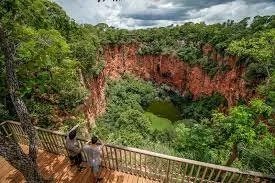
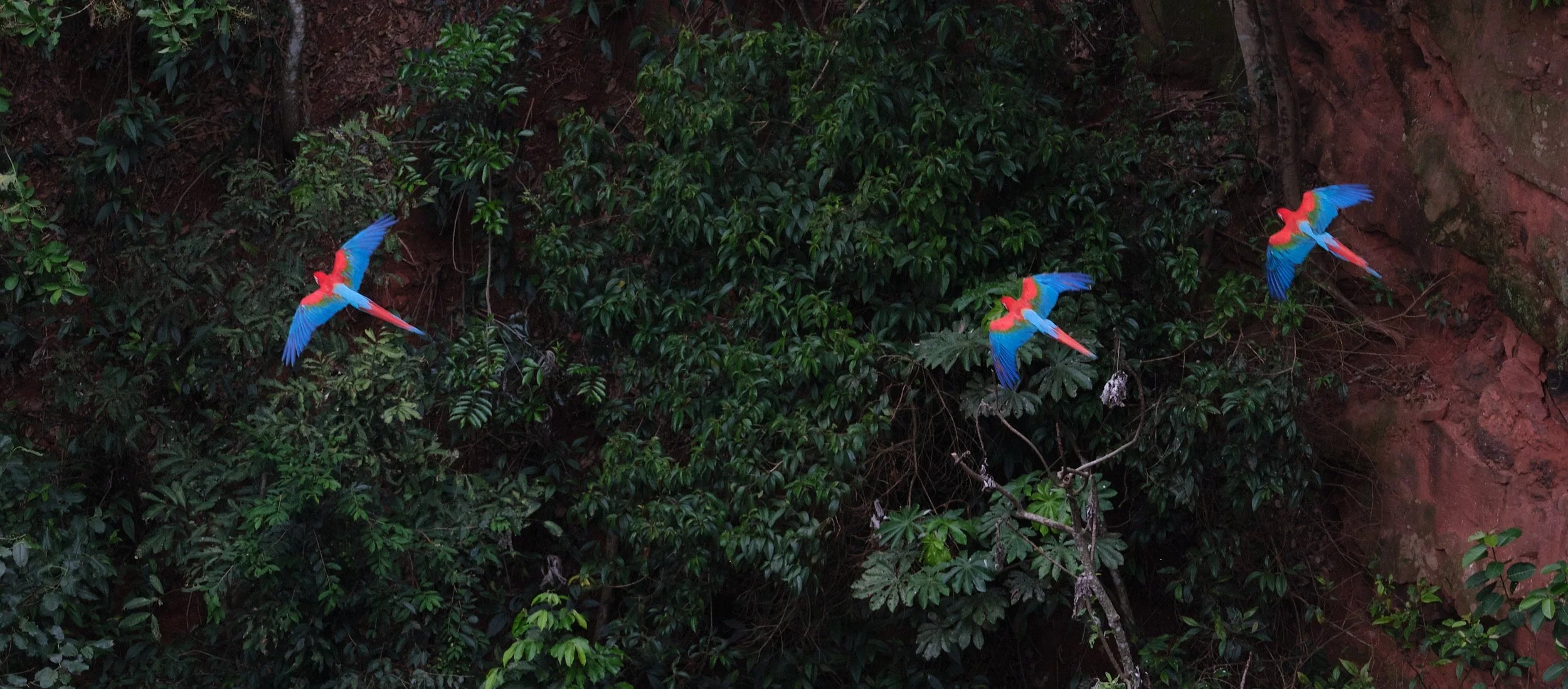
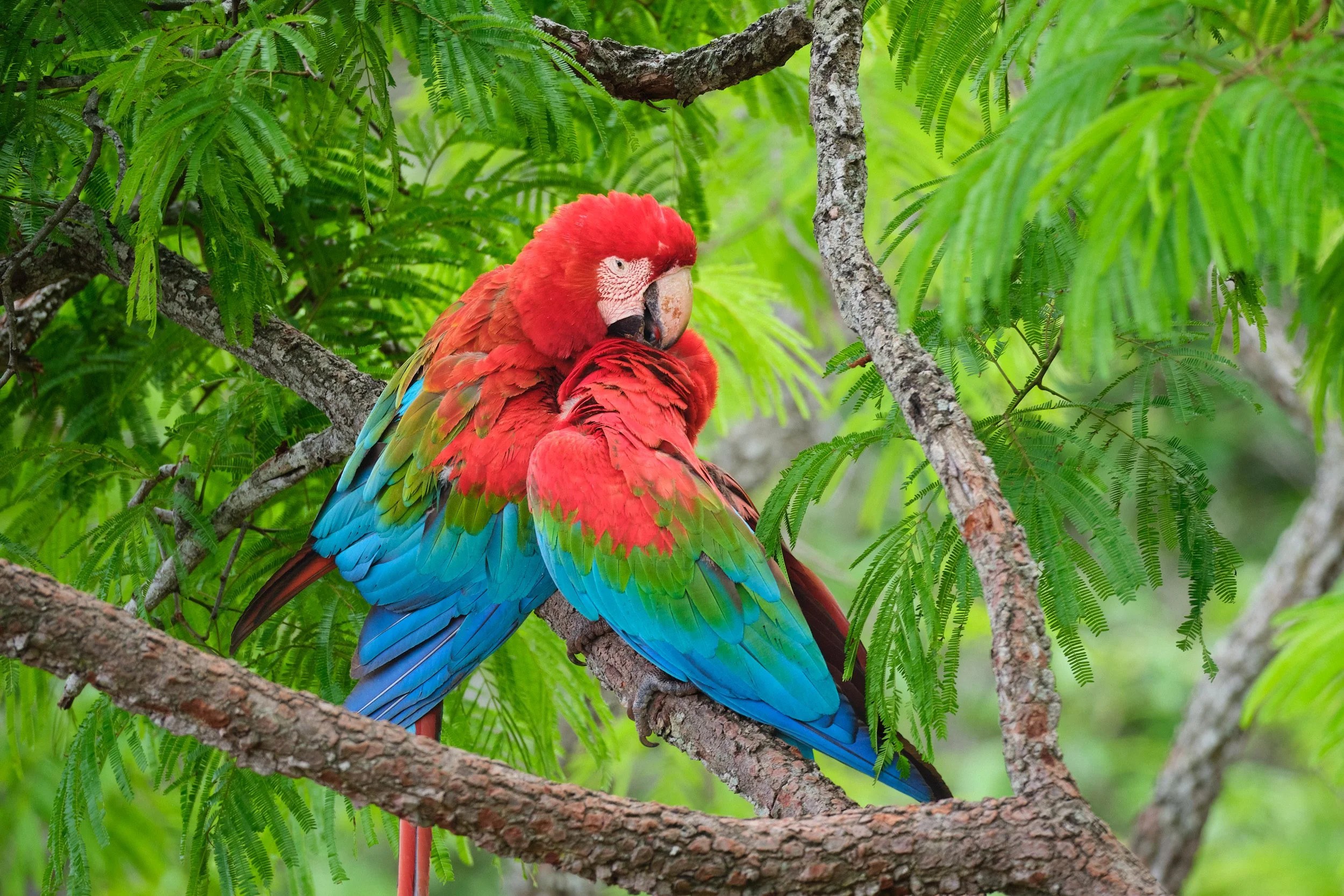
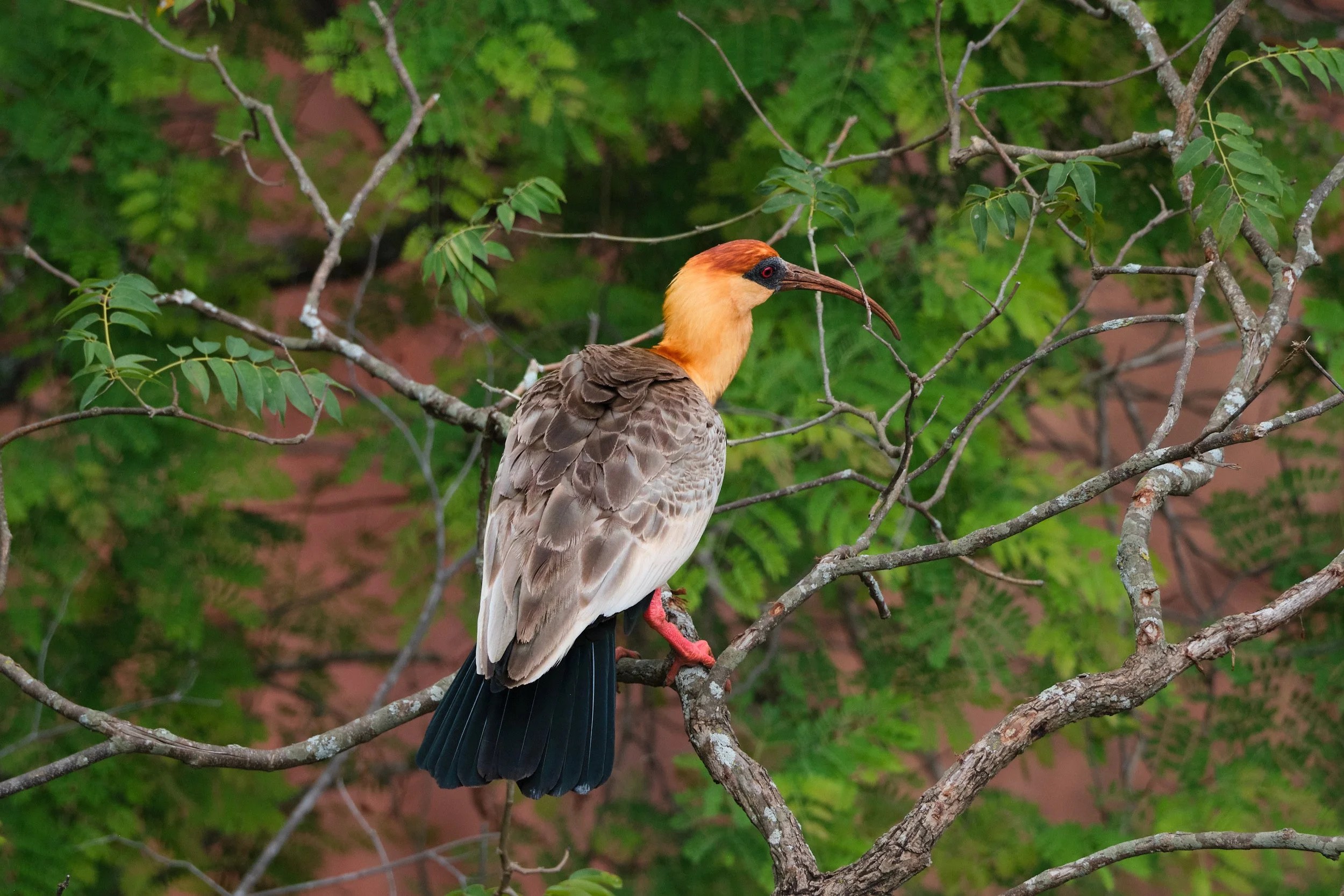
We spent today with a local guide who took us to Buraco das Araras, or Macaws’ Hole, a huge sandstone crater in Bonito, Brazil, considered the largest sinkhole in South America. It is 100 metres deep and 160 metres in diameter, surrounded by lush vegetation. You must observe from the top of the crater since the walls are vertiginous red sandstone, so entry into the sinkhole is not possible.
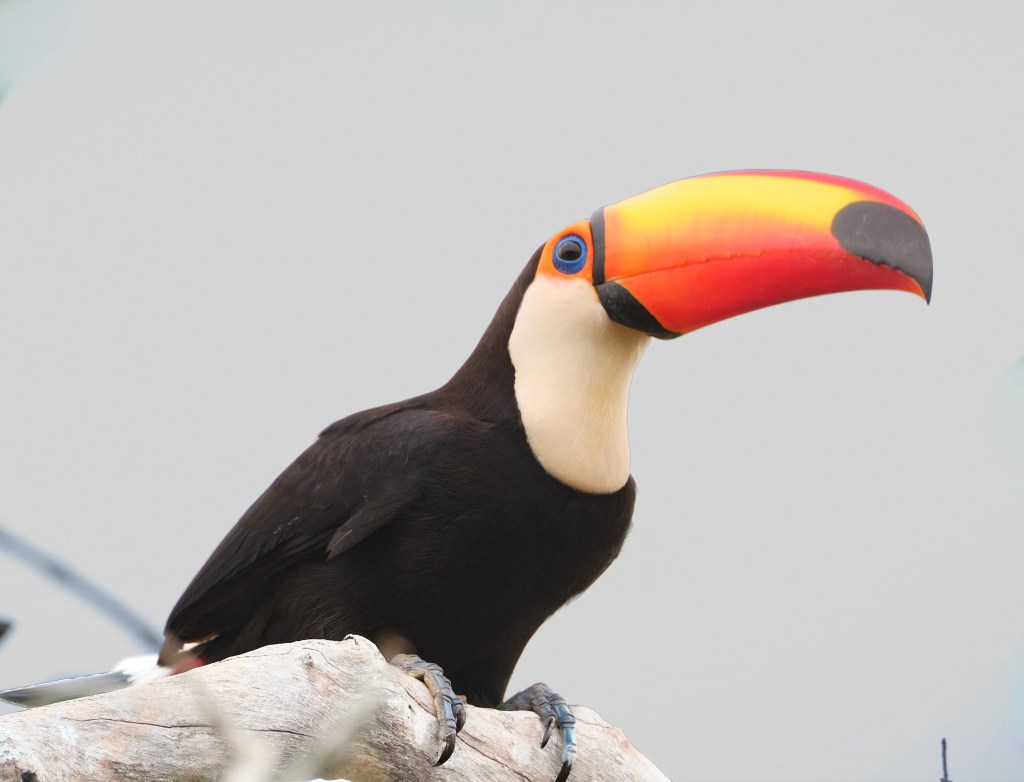
You can find birds such as red and green macaws, ibis and toucans nesting in crevices in the sandstone walls and mammals such as armadillos and anteaters inhabit the bottom.
The macaws nesting in the red sandstone cliffs take us back almost exactly one year to our travels in Patagonia when we spent a magic day with the burrowing parrots of Barranquero, closing the loop.
From here we have a couple more days of hard driving to take us to the Pantanal and the real beginning of our wildlife jaguar adventures.
More to come!


 Site Title
Leave a reply to Gusta Cancel reply