• Met Hugh for coffee at 9:30 and then our friends from New York, Jane and David, arrived for coffee at 10 and Sophie, Hugh’s shopping consultant, arrived at 10:15 to take V and Jane for a 4 hour shopping expedition. At this point we had overwhelmed the small breakfast room at the Magnolia and a party atmosphere was beginning to develop but the various parties began to disperse and order was restored. Jane and David are attending a wedding in Brazil and had stopped off in BA to spend a couple of days with us before the wedding and they will be joining us for the opera tonight at the Teatro Colon.

    David and I spent the morning walking to the Botanical Gardens and wandering around our area. Gardens were interesting as it’s spring and lots of the Garden was filled with new blooms but surprisingly, given that it was a Saturday, all the buildings and greenhouses were closed so we just roamed around and chatted and spent a very pleasant 3 or 4 hours.

    Opera was scheduled for 20:30 and we arrived at 19:30 to pick up our tickets from the box office and to explore the building which is supposed to be very elegant and one of the top 5 opera houses in the world. Long lines of people waiting for rush tickets but I had booked a box on the first level since it was not likely that we would have the opportunity to attend this opera house again, and the line up for previously purchased tickets was blessedly short.

    We wandered around the building, but it was much less impressive than I had expected; just felt a mix of sterile and municipal with a not very welcoming air. Our box, like all the others, contains 6 chairs all of which are first-come, first-served, so our box is reserved, but not the 6 seats within it. We got to our box about 20:00 to discover that we had arrived just a minute behind another couple who took the 2 front chairs, leaving us 2 chairs behind them whose view of the stage is partly obscured by the earlier couple. Pity the last couple to arrive as they will be behind us and really in a pretty poor position to see anything. However we were there to listen and since the sur-titles are all in Spanish, having great sightlines will be less of an issue.

    We spent the time waiting for the opera to begin watching the crowds arrive and the seats and boxes fill up. Surprised by how relaxed the dress code is; we had expected more Spanish formality and we were in jacket, tie and evening dress as were the 4 Argentine occupants of our box, but looking out over the orchestra seats below us, a large portion of the crowd were in open necked shirts and slacks or jeans. Occupants of the other boxes seemed to be better dressed but overall much more relaxed than I’d expected.

    We have a dinner reservation for 23:30 at Tomo 1, reputed to be one of the best that BA has to offer and, depending on the reviewer, one of the 50 best or 100 best in the world. Now having eaten there, wouldn’t make my list. To begin, Jane and David thought that they’d leave the opera a little before the end as they were not great fans of Un Ballo in Maschera and were still tired from their flight from New York and thought that they’d be happy to relax with a drink while we stayed through the end. In the event, we did not particularly like the production or the voices and decided to leave about 20 minutes before the end so that J&D would not be left on their own. We arrived at the restaurant, which is across the street from the opera, at about 23:00 to find that J&D had not yet arrived. Restaurant would not let us take our table even though we could see an empty table which eventually proved to be ours; they said that our reservation was for 21:30 and we would not have access to a table until 21:30. It then took some effort to order a drink while we waited in the lobby and by the time that J&D arrived at 21:30, they had decided to stay for the whole performance since they expected that we would and had gotten tangled up in the crowds leaving the theatre, I was becoming very cranky with the restaurant’s unwelcoming attitude. Food was interesting and creative, but the service was a little too condescending and at that point I was not in a very receptive mood. All my own fault, I know but nonetheless, I’m not a Tomo 1 fan.

    Last two days were a whirlwind; met Hugh for a last drink, bought a custom-made leather jacket that I liked in a store where V was having some clothes made and which I’m very pleased with and generally tried to cram in all the things that we, as usual, left to the last minute.

    Off on time and after a 6 hour delayed flight in Bogata, arrived home at 1:00 in the morning, ready to be overwhelmed by Christmas.
  • Puna to BA – Day 15

    Easy start to the day, up late with beautiful sunshine but a cool breeze blowing as we are still at 2700 metres. Leisurely breakfast and then 4 hours to relax on the outdoor veranda while I caught up the blog and V read. Have loved the trip and the landscapes but it was nice just to chill for a brief moment.
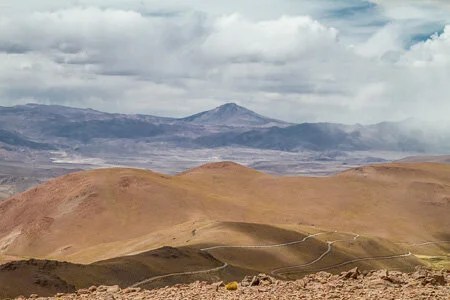
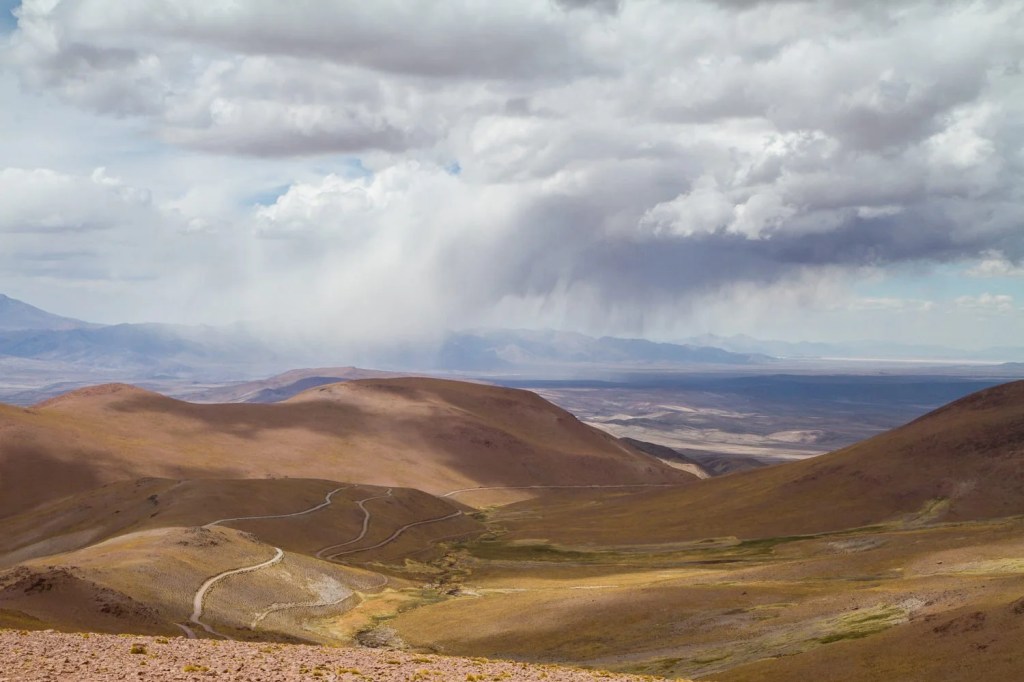
    Mountain road down from the pass, Puna, Argentina
    Mountain road down from the pass, Puna, Argentina

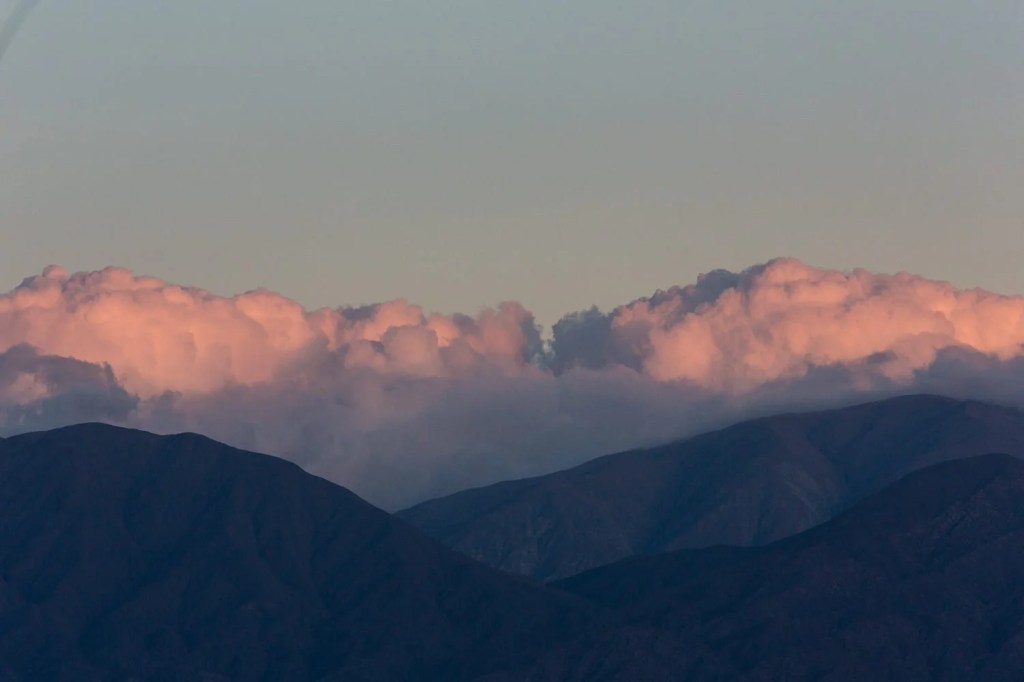
    Loaded Boobi’s truck for the last time for our run to Salta airport. We have some climbs today as we work our way up and out of the Calchaquí Valley and cross over the pass into the Lerma Valley where we started our trip. Yesterday’s climb to our highest mountain pass was hair-raising, an unpaved road with no guard rail and supposedly wide enough for two cars to pass. We always seemed to be on the outside lane no matter how the mountain road turned so on the rare occasions when we did meet another car coming the other way, we inched past each other, with me in the passenger seat looking straight down to the valley floor hundreds of metres below and only inches away from our outside wheels. The worst moments came when we drove up the inclined, zigzagging roadway to an approaching corner and our truck was pointed up so that through the windscreen I could see only sky ahead and a rock wall to our left around which another car might be coming, while we were perched on the outer edge of the turn. Very scary and it took all my powers of concentration to keep us on the road while Boobi pointed out the sights.

    Mountain road down from the pass, Puna, Argentina
    Mountain road down from the pass, Puna, Argentina

    Today promises more of the same. When I could wrestle my heart out of my mouth and push it back into my chest where it belonged, we saw some spectacular views and reached the pass at 5200 metres, our highest yet. Worked our way down the other side and the vegetation gradually began to change as we got lower, from alpine grasslands to, eventually, semi-tropical rain forest.

    Arrived at Salta airport at 6:30 for our 8:30 flight to be told that it was delayed and would not leave until 10:45 so got comfortable in the airport cafeteria, got out our ereaders and waited out the 4 hours until we could board. A 2 hour flight and we finally arrived at close to 1am to an almost empty airport, but Andy, Hugh’s driver was there waiting for us and we eventually crawled into bed at the Magnolia hotel a little after 2. Long day.

  • Puna – Days 13 &14

    Long, long day. Packed up and off early for our drive which will be 350k but will take at least 8 hours since there are no paved roads.

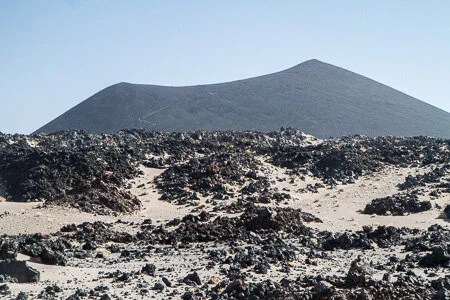
    Lava field, Puna, Argentina
    Lava field, Puna, Argentina

    The first couple of hours were through enormously wide expanses and fields of basalt froth which were blown out of the multiple volcanoes that dot the landscape as far as the eye can see off in the distance. Our track passes along the edges of waves of this material whose height reaches about 2 or 3 metres and which appears to be a black rocky foam filled with air bubbles. It would be impossible to make a road over or through it so we skirt the edge of the basalt lava flow which is so hard that edges are still razor sharp after a million years.

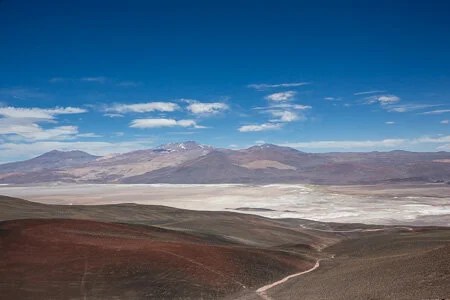
    We climb gradually to about 4800 metres and at noon reach the top of another mountain pass and spread out before and about 1000 metres below us is a wide valley filled almost to the edges and as far as the eye can see in either direction, with a salt flat across which we will drive to reach a small treed oasis on the farther side, for lunch. Arrived at the other side and the oasis turns out to be a cluster of tress and small houses, used only in summer since there would be no way to get supplies in winter when the passes are covered in snow, and inhabited largely by municipal workers, road workers, etc who service the area as well as shepherds who graze their sheep and llamas in the area. The settlement is no more than about 10 or 12 houses and buildings and we ate our lunch in the house of a local woman who provided plates, a table and a roof and we provided the food.

    Top of a mountain pass, Puna, Argentina
    Top of a mountain pass, Puna, Argentina

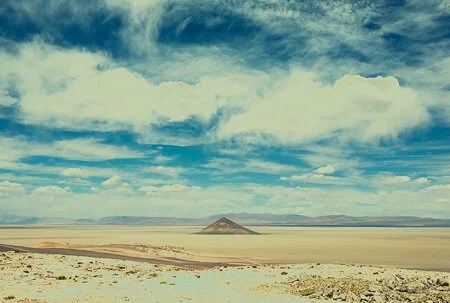
    Surprisingly clean pit stop and off again. Afternoon was harder than the morning and later in the afternoon, after a bumpy drive but with outstanding views and vistas, we crossed into a new valley whose bottom was also filled with a salt/borax flat which is once again more than 100k long and 85k wide and which we must cross to get to our shelter for the night. At the near edge of the salt there is an anomaly, an almost perfect cone of reddish-black rock which rises out of the salt some hundreds of metres in height and marks the edge of the road that crosses the salt.

    On the edge of the salt and just before we be began our drive across there is an abandoned onyx mine, the miners’ houses all shuttered and locked. The little settlement is marked by 2 interesting landmarks; a number of piles of raw onyx each one graded by the colour of stones it contained and ready to be processed but now, going nowhere, and scattered everywhere bright shining shards of broken bottles. Not hard to imagine why, as all the hundreds of broken bottles were liquor bottles which in the midst of the windy, salty, hot landscape with no living creature for a hundred kilometres, was presumably the only solace available to the inhabitants.

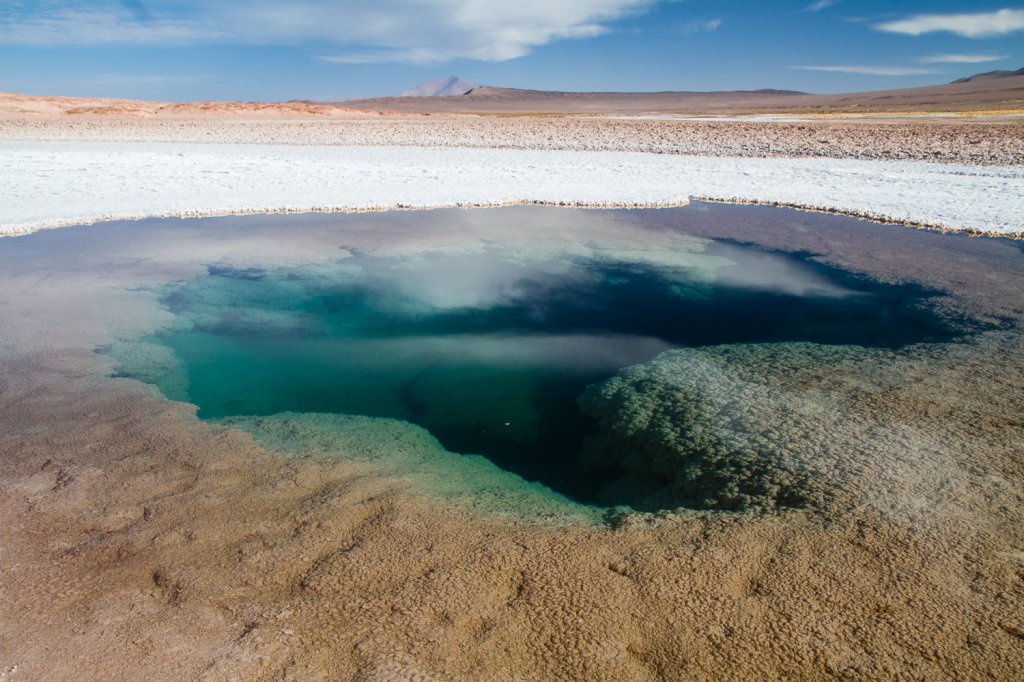
    La Cona, Salt flats, Puna, Argentina
    La Cona, Salt flats, Puna, Argentina

    The drive across the salt was a long, bumpy 2 hours and arrived at the other side we were about a 30 minute drive to our home for the night, a small government-owned hostelry with 8 0r 10 rooms in a tiny settlement. There was no staff at the hotel, she was sick that day, but Boobi managed to get us sorted and we found ourselves in company with a party of Swiss climbers who had also just arrived after climbing a 7,000 metre peak that day and were in a celebratory mood. The only restaurant in town, a room green from the light of a bad fluorescent tube, provided our dinner at 8:30, a very thin cutlet of llama labelled as bife and loud with the celebration of our Swiss room-mates. We brought a bottle of the wine that we had bought in Cafayete and quietly joined the party. Great fun.

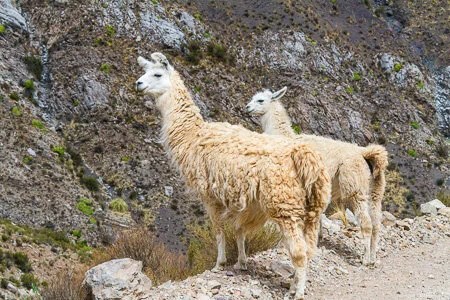
    Llama on the rod to Cachi, Puna, Argentina
    Llama on the rod to Cachi, Puna, Argentina

    Discovering from Boobi that our plan for the following day was an even longer drive of 400k across and around the salt flat to visit an abandoned railway station and then an equally long drive the following day to get to Salta for our 8:30pm flight back to Buenos Aires, we mutinied. A call to Hugh McDermott in Buenos Aires, fortunately there was a cell tower in the town our first cell phone coverage since Cafayete, and after a quick consult, Hugh with great grace and flexibility, in tandem with Boobi’s tour agency in Salta, rejigged the itinerary and found a room for us in Cachi at La Merced. La Merced is one of the Leading Small Hotels and a very welcome spot to spend our last night in the Puna.

    Off early with another 8 or 9 hour drive ahead but our reward will be a very nice hotel at the end of it and an easy 3 hour run tomorrow on the way to the airport in Salta. Again a day of fabulous landscapes and mountain passes the last before we leave the Puna the highest one yet, at 5200 metres. Stopped many times for shots and arrived at Cachi late in the day. A very pretty little town clustered around the main plaza but V was green from the drive, the last 11k was on the first paved roads for the last 4 days and because of a very strong wind the car was rolling rhythmically in a very nauseous way, so we sped on to our hotel.

    Showered, dressed, with a very good pisco sour under my belt, we drifted into the dining room for good dinner and so to bed. Boobi not picking us up until 3 for our run to the airport so a good chance to relax before our last couple of days in BA.

  • Puna – Day 12

    Fabulous sunset last night but we were so late getting in to our hotel, El Piñon, and getting settled in that we didn’t get any shots. Feeling the altitude.

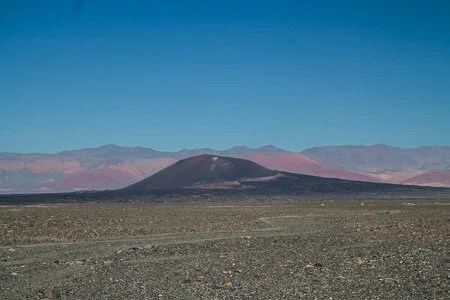
    Volcanic plug, Puna Catamarqueña, Pumice fields
    Volcanic plug, Puna Catamarqueña, Pumice fields

    Yesterday in Cafayete we were at about 1700 metres. Getting to the Puna yesterday we climbed and when we crossed the mountain pass that took us to Catamarca province in the Puna region we were, and are, at 3500 metres. When concentrating on other things altitude not particularly noticeable, but I woke up a couple of times last night very aware of being short of breath and of the need to breathe more deeply. V and I both have prescriptions for a drug that is supposed to minimize altitude symptoms which we were to have started taking two days before altitude. V has taken hers without problem, but my experience with the drug was so unpleasant, more weird mental state than physical effects, that I stopped taking mine as I felt the altitude could not make me feel worse than the cure. Adolfo, now known familiarly by his universal nickname of “Boobi” at his request, tells me that the name Puna is also a term to describe altitude sickness as much as it is a descriptor of the geographic area.

    The little settlement where the hotel is located is a town of about 200 people, a couple of small shops, but no cell coverage and no gas or fuel, like moving backwards in time.

    Puna Catamarqueña, Pumice fields
    Puna Catamarqueña, Pumice fields

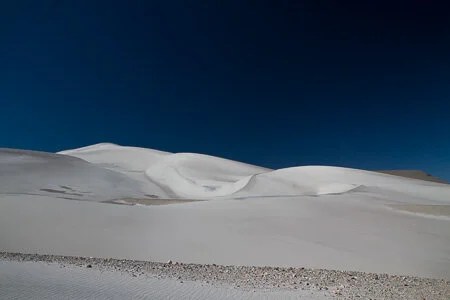
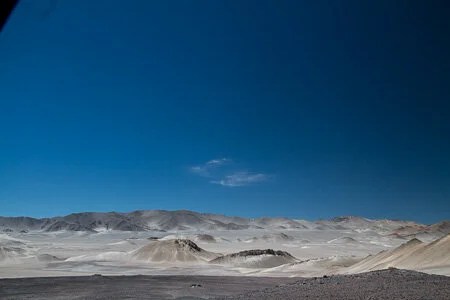
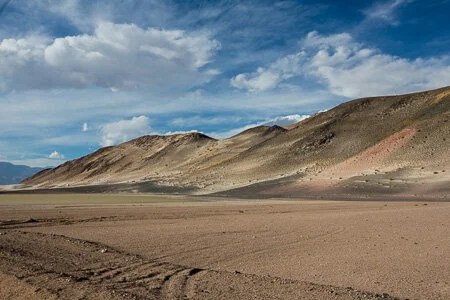
    Today was one of our best days to date. In the morning we drove about 8 or 10 kilometres and then drove over the rim of an extinct volcano whose crater is 100+ k long and about 80k wide, massive. We followed a track across the crater floor with the craters rim surrounding us in the misty distance. Wild moonscape, notwithstanding that the crater is millions of years old. Wind blows constantly, wearing away the huge outcroppings of puimce and creating large dunes and waves of bright white pumice sand which, looking at pictures and with no other reference points looks like a frigid cold snowscape rather than a hot and dusty dune of startlingly white sand. In the middle of the crater stands a huge black basalt plug hundreds of metres high which finally capped off the volcano and so incredibly dense that it stubbornly resists wear and erosion.

    Puna Catamarqueña, Pumice fields
    Puna Catamarqueña, Pumice fields

    The track through the crater was over and through drifts of windblown sand and would not have been possible without a 4 wheel drive in its lowest gear range and at moments we wondered whether we would need to man the shovels and dig ourselves out. Not a drop of water in the whole expanse of the crater and nothing living save the occasional scrubby low-lying bush struggling to hold on to life. Some fabulous landscapes and I hope, some fabulous shots.

    Got back to our hotel in time for lunch, vegetable soup and llama schnitzel, and then we will be setting out to drive 60k, a 2 hour drive over bad tracks to an upland salt lagoon at 5,000 metres where there is a very large colony of flamingos who come there in spring to breed.

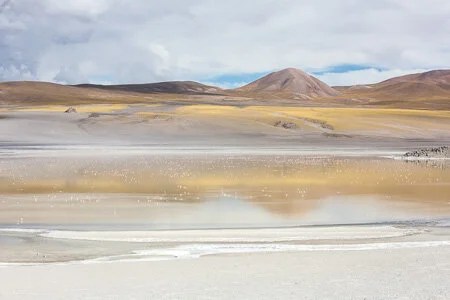
    Laguna Grande, pink dots are flamingos, Puna, Argentina
    Laguna Grande, pink dots are flamingos, Puna, Argentina

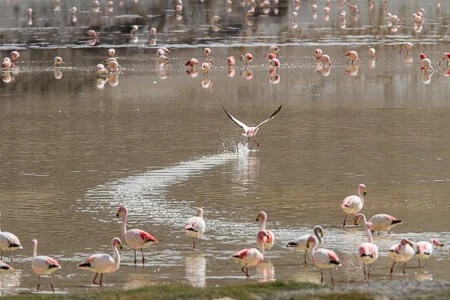
    Bounced and rocked our way to the lagoon, with some stunning vistas along the way which we hoped to shoot on our way back, in sunset light. Arrived at the lagoon to find hundreds of flamingo wading through the very large lagoon which is surrounded by salt flats in the middle of a wide upland valley, ringed by impressive peaks, some snow covered. We moved very slowly and cautiously and managed to get within 10 or 15 metres of the water, crunching our way over the salt, but by that point the smell was becoming quite overpowering and since I was using my 300mm f/2.8 which weighs almost 3k with camera and at 5000 metres, I was really struggling. Short of breath and a little light-headed with the weight of equipment and the altitude but breathing itself no fun with the smell of the bird-enriched salt lagoon. Looking forward to seeing if any of my shots will make the cut. Shooting hundreds of anything is a compositional challenge, need to find some sort of pattern so that it doesn’t feel like an undistinguished mass; in addition do you go for details and lose the landscape setting or get the wider context but capture mere pink dots where the birds are. We shall see.

    Laguna Grande, flamingos, Puna, Argentina
    Laguna Grande, flamingos, Puna, Argentina

    While we were photographing, the clouds had rolled in and on our way home a grey overcast, so no sunset shots, but we were both very tired and short of breath and if anything the ride home was longer and rougher so both the spirit and the flesh were weak and wanting. Dinner, vegetable soup and llama stew, can you see the pattern here?, and an early bed with batteries plugged in to recharge. Hope that the power lasts long enough to get a charge in.

  • Puna – Day 11

    Adolfo arrived at 8:30 and we set off. Long drive ahead of us and we will climb up the mountain pass into the Puna late in the day. Paved roads and good driving up the Calchaquíes valley. Smaller fields under agriculture, clearly family run, rather than the large industrial plantings that we have seen the last two days, both tobacco and vineyards. As well lots of mixed grazing, sheep, goats an some cattle.

    Clim,bing upland valley to the Puna
    Clim,bing upland valley to the Puna

    Mountains on both sides but the valley is beginning to open out and become much drier. Stopped for lunch at a small hostelaria owned by a friend of Adolfo’s, in the countryside and under the trees. Raoul had started a fire in a bbq pit and when we arrived he was waiting for it to get hot enough to cook. Hostelaria is perhaps a kindness since it was pretty rough and ready but there were only the four of us and the company was good; much chatter about Argentine meat and its quality, why we wanted our meat as rare as he could manage, (rare to an Argentinian seems to be medium and blue, the way we like it, almost a social faux pas), where the cuts he was cooking came from on the animal, and then generally the perfidy of the government which we agreed was universal and the pettiness of local authorities and insurance companies. A very wide ranging discussion indeed.

    The meat came off the grill rare, salty and juicy and with freshly picked tomatoes, grilled whole onions and fresh bread we feasted.The olive oil that we have come across here is exceptional and today’s version was as good as any we have tasted. Lots poured on bread, tomatoes and steak and we wallowed, the only distraction being the flies who were many but we swatted and ate till we could barely move.

    Valley in the Puna, Argentina
    Valley in the Puna, Argentina
    Valley in the Puna, Argentina
    Valley in the Puna, Argentina

    Off again and we crossed a very wide, flat, dusty plateau, busy with dust devils swirling across the landscape, some quite large but fortunately none close enough to do any damage to our truck. We are working our way towards a mountain pass ahead of us which having been crossed, will take us into the Puna region. At this point the roads are still paved but that will end as we approach the mountains.

    Had a less than pleasant moment as we drove across the plain and while not personally directed, nonetheless did give us a strong sense that we were proxies for ugly Canadians everywhere. There were many very large trucks, loaded with rocks and earth, passing us travelling in the opposite direction and when I asked about them Adolfo revealed beneath his pleasant guide’s exterior, a depth of feeling and an intensity that we had not seen before. They are all from Canadian mines he said. Canadian miners have bribed the government for many years to give them sweetheart deals to mine virtually tax-free, have created unspeakable pollution, have paid slave wages to the local population, and have taken the minerals away to be processed elsewhere, leaving devastation in their wake. He mentioned Barrack Gold and others who are active in the area and could not understand how his government could be so corrupt and short-sighted. I merely report, but I’m sure that there was substance to his diatribe; miners are the same around the world and they are destructive and they do do disastrous things to the environment, Canadians right up there with the best of them. You don’t need to go abroad to see some our best work, the tar sands take pride of place when it comes to that and Sudbury is a lesson to the world. It’s useful to see yourself in a mirror from time to time, does take some of that holier than thou sheen off.

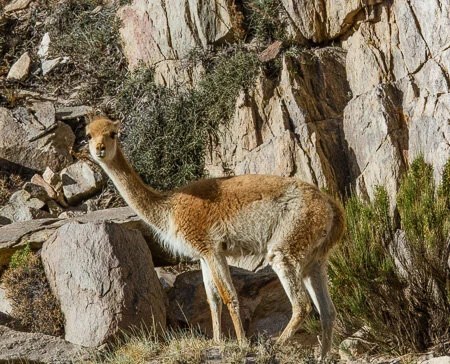
    Wild Vicuña, Puna region, Argentina
    Wild Vicuña, Puna region, Argentina

    After a couple of deep breaths and some long silences, we all pulled ourselves together and picked up our more cheerful conversation as we pulled in to the last service station that we will see until we leave the Puna, to fill our truck up with diesel. Now the road began to be what we will see for the next 5 days, unpaved, rough, potholed and strewn with rocks, more a track than a road, requiring careful driving by Adolfo and strong backs, stomachs and kidneys on the part of his passengers.

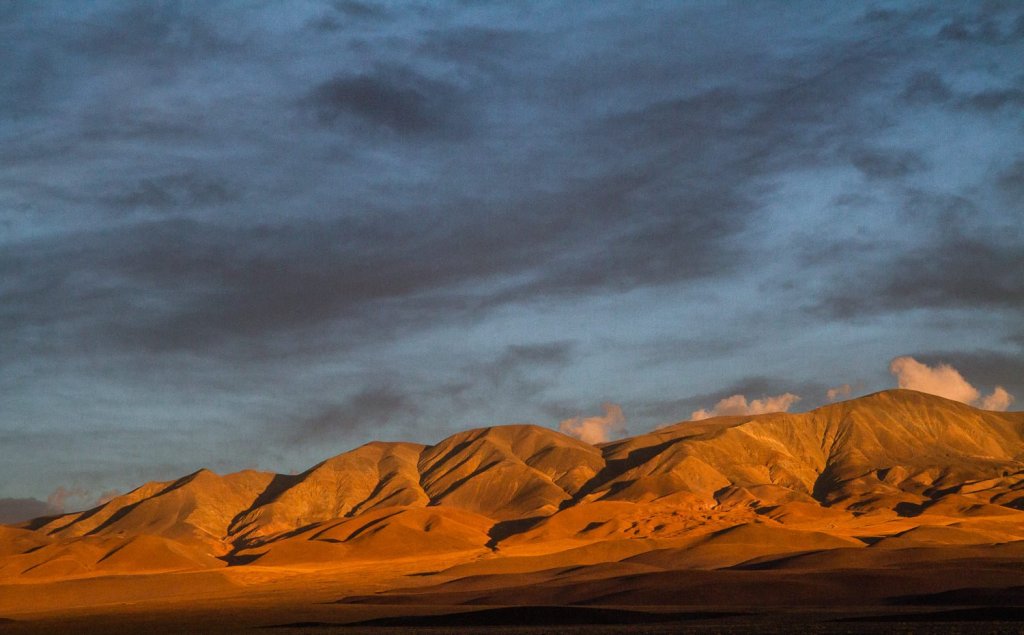
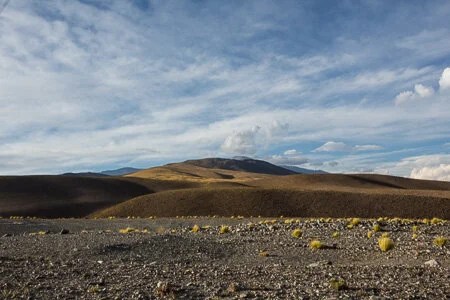
    We zigzagged our way up the mountains on a rough track, and finally crossed over the pass into the high mountainous plateau that we will be driving through for the rest of the week. As we did so we began to come across harems of wild vicuña grazing in the distance with their young while about 100 metres away from each group stood a watchful solitary male, guarding his kingdom.

    Late in the day arrived at El Piñon, which will be our home for the next 2 nights. Pretty basic but comfortable, the only downside being that electricity is only available from about 8 pm until about 12:30, so charging camera batteries will be a challenge. No internet and no cell phone coverage available so we will be off the grid for the next 5 days.

  • Puna – Day 10

    Not sure what to expect in the next 5 0r 6 days. Have done some research and digging around but except in the most general sense, haven’t yet got a good feel for the conditions, the landscape in the region that we are driving through or how and where we will be spending our days and nights. All will be revealed today by Adolfo, our driver, and we are both very excited at what we will be seeing and where we are going.

    On the way to Cafayete
    On the way to Cafayete

    Adolfo on time and truck loaded up. Truck is a loose term, rather it is a Ford 4×4, 4 wheel drive, which Adolfo has fitted with two radiator fans instead of the usual one since we will be driving through desert and climbing mountain passes as high as 5,000 metres and an overheated engine is not a good thing when there is no help for hundreds of kilometres. For the same reason we carry on the roof shovels and digging equipment in the event that we are stuck in the sand, as well as 3 thirty litre diesel cans since there are no gas or service stations until we leave the Puna and return to the populated valleys, and we must carry enough fuel for the next 5 days.

    Star Trek scenery, Cafayete
    Star Trek scenery, Cafayete

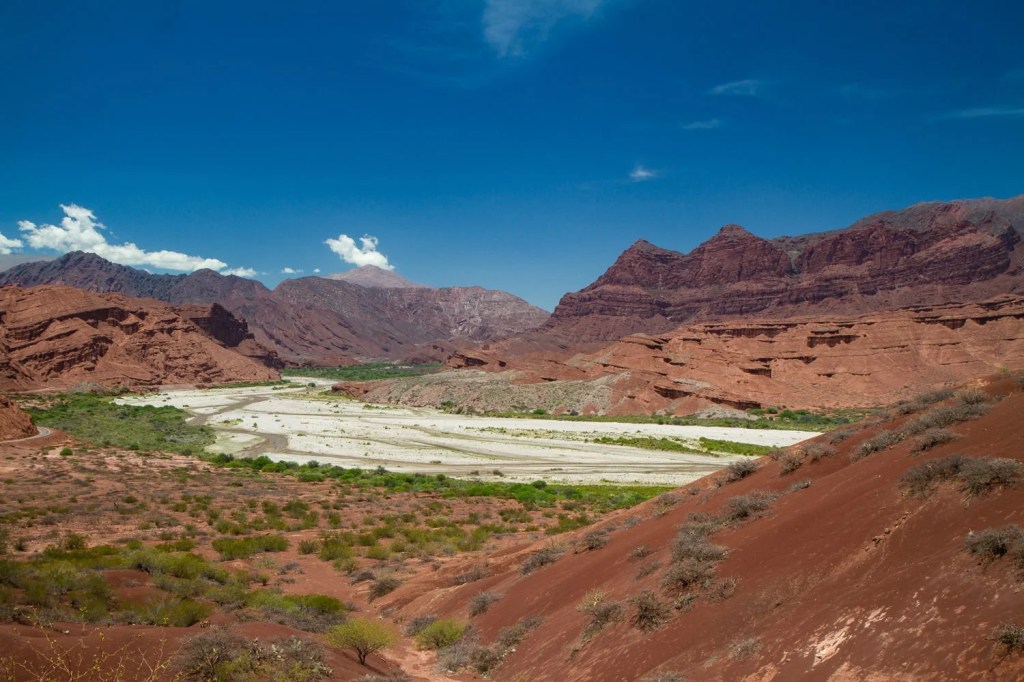
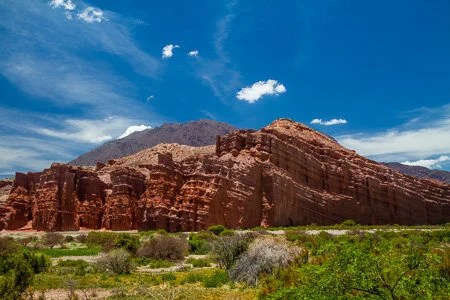
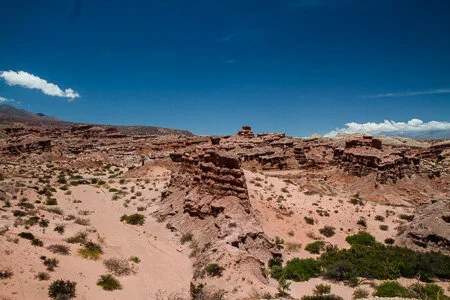
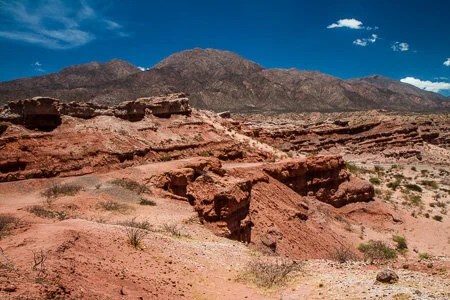
    Very excited to begin our adventure. The first days driving was up the Lerma Valley which is largely under agriculture, mostly tobacco, and green and verdant up to the surrounding mountains. After a couple of hour’s driving we crossed through a wild, rocky canyon with beautiful craggy cliffs in an austere rocky landscape where much of the background scenery for the Star Trek films was shot. Passing through the canyon we arrived in the Calchaquíes Valley where we will reach our first day’s destination, Cafayete, a really neat, picturesque, colonial town near the middle of the valley in an area given over almost completely to wine growing. Cafayete looks like the kind of city I expected to Salta to be, an Argentine version of Healdsburg in Sonoma County or Napa Valley. Clearly a wealthy town since wine growing is a venture that needs lots of capital and time and many of the vineyards also offer high-end hotel and restaurant choices.

    Star Trek scenery, Cafayete
    Star Trek scenery, Cafayete

    Some of the vineyards here are the highest in the world since Cafayete is at an altitude of roughly 1700 metres but the grapes seem to be quite happy with their lot in life. This area is also the home of the Torrontés grape whose wine we had drunk last Saturday night at Casa Coupage, the closed-door restaurant, and which we had never heard of before this trip; a wild, intense floral nose but dry and fruity. V has fallen for it in a big way and we bought a couple of bottles in town to take with us on our drive.

    Suset over Cafayete, Argentina
    Suset over Cafayete, Argentina

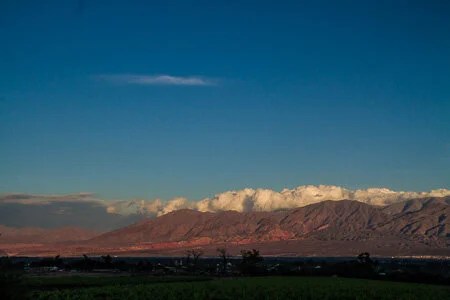
    We stay in civilization tonight, a lovely hotel, The Wine Resort, surrounded by vineyards and our last bit of luxury since we drive up to the Puna tomorrow. Room was lovely, grounds were lovely, pool was lovely and from our balcony we watched the sun setting over the mountains surrounding us. Very good dinner in the restaurant and once again an early night, term used loosely since the restaurant as in all of Argentina, did not open until 8:30.

  • Puna – Day 9

    Picked up from the Sheraton and delivered to the Iguazu airport for our flight to Salta. Two hour flight north and west and arrived at about 2:00; met in Salta by Adolfo who will be our driver and guide for the next 6 days as we work our way across the Puna.

    Had heard lots of good things about Salta; old and well-preserved colonial city; clean and filled with interesting architecture; and the best empanadas in Argentina. Sadly none of these claims survived the reality. We found a large, sprawling and slightly down at heel city of 600,000, half the population of Salta province, all congregated in one location. The city centre retained its colonial buildings but the air was dusty, and there was an undercurrent of shabby as if the city had grown too quickly and now was poking its knees and elbows through patchy bits of worn clothing.

    Sunset, Salta, Argentina
    Sunset, Salta, Argentina

    Bloomers, our B&B for the night was pleasant but not overwhelming and fitted well into its surroundings. Settled our things and went for a walk in the central plaza and explored the neighbourhood. Of course everything was shut up tight notwithstanding that it was Saturday afternoon; it was about 4:00 and still siesta time. Found a handicraft market that we had been told about, many stalls and storefronts in an old colonial building and across the road in a rabbit-warren, all filled with locally made bits and pieces for the tourist trade. We were looking for weaving and textiles but found little to excite interest so after an hour of digging and scouting, we returned to Bloomers to rest before dinner.

    Dinner pleasant enough but in keeping with our overall sense of the city, nothing jarringly unpleasant, just slightly underwhelming. Tomorrow our Puna adventure begins so early bed since we are being picked up by Adolfo at 8.

  • Posadas to Iguazu & Iguazu-  Days 7 & 8

    Up with the sun, packed, breakfasted and ready for the road by 9. We were picked up by the driver who had brought us from the airport at Posadas a couple of days ago as well as a guide, Alejandro, a former teacher and park ranger at the Iguazu National Park, who had become a free-lance guide and photographer; very knowledgeable and articulate.

    Iguzu Falls from our room, Sheraton
    Iguzu Falls from our room, Sheraton

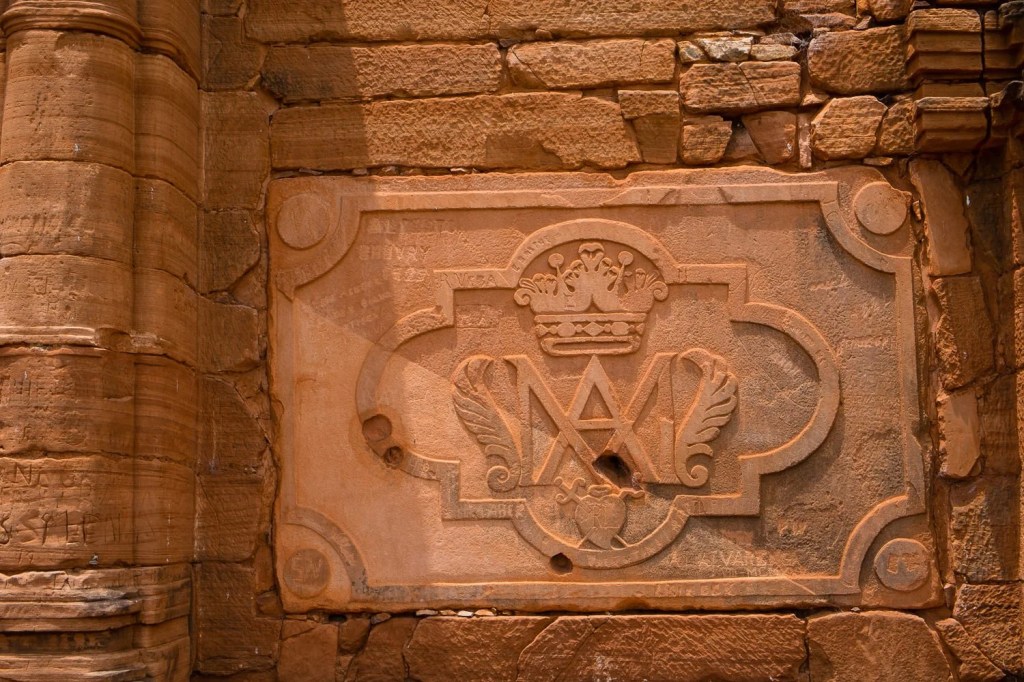
    Iguazu is about a 5 hour drive from Puerto Valle but in our case it took more 8 hours as we stopped to visit the ruins of a Jesuit mission built in the early 1600’s, a fascinating place to wander in, particularly if you have seen a movie from a number of years ago, and starring Jeremy Irons, called The Mission which is set in the mission whose ruins we visited.

    Arrived at Iguazu in late afternoon, or rather, at the Sheraton hotel which is within the Iguazu National Park boundaries and given an upgraded room with a wonderful view of the falls. We wanted to go for a walk on the walkway which takes you to the upper level of the falls but the Park closes at 5 and so all the entrances to the walkways, which are only a minutes walk from the hotel, were blocked.

    Iguzu Falls, Argentina
    Iguzu Falls, Argentina

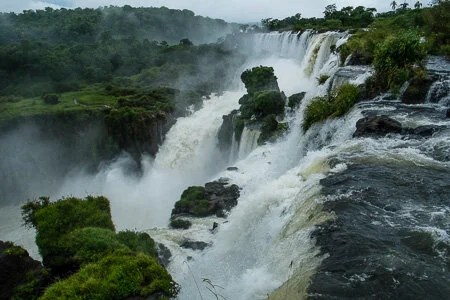
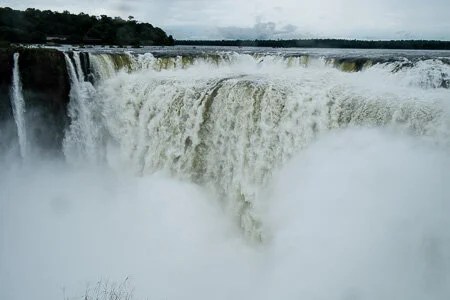
    The falls themselves, as anyone who has seen them knows, are massive, extending over a wide arc much larger than Niagara, and the sound is overwhelming. Our hotel is about 500 metres away from the falls but you can hear their roar the moment you step outside. We have a guide who is meeting us in the morning to take us around and then we are to take a boat ride, in the spirit of the Maid of the Mist, up to the cascades and down the rapids below the falls.

    We had no desire to dine in the hotel so had planned to go into the town of Puerto Iguazu for dinner. When we went to make arrangements, came to understand that the town is 26k away and and a 30-40 minute drive each way at a cost of about $40 US. After a long day’s driving we decided that we would pass and eat at the hotel; mistake! One of the most inedible meals that we have yet met in our travels and this includes some vile mysterious dishes in Asian backwaters Lots of wine to make up for it.

    Iguzu Falls from zodiac, Argentina
    Iguzu Falls from zodiac, Argentina

    Next morning the skies opened and it rained for most of the 4 hours that we spent walking the upper and lower catwalks that surround and bridge the falls at their top and at their bottom on the Argentinian side of the river. Crowds were not deterred however and we were surrounded by massive crowds, school groups, tour busloads and families all thronging and pushing their way in the pouring rain, along the walkways.

    The walkways are made of metal mesh in connected panels, each about 1 metre by 2, surrounded by a metal strip about 15 centimetres wide which give them support and stability. The metal panels are surprisingly slippery in the wet and the solid metal frames surrounding them are even more slippery so that between walking very carefully so as not to slip and to make sure that you did not step on the solid metal frames as they were even more slippery while trying to work your way through hordes of people is not an ideal viewing environment, but the falls are so overwhelming that it made keeping your footing seem small potatoes.

    Iguzu Falls from zodiac, Argentina
    Iguzu Falls from zodiac, Argentina

    The walkways at both the top of the falls and at the bottom are built alongside, over, and around the various cascades that make up the falls in such a way that you are in much more intimate contact with the falls than is the case at Niagara. You are literally within reach of the falls at many points and are surrounded by the noise and the mist and spray that is being thrown off. An amazing experience.

    Iguzu Falls, Argentina
    Iguzu Falls, Argentina

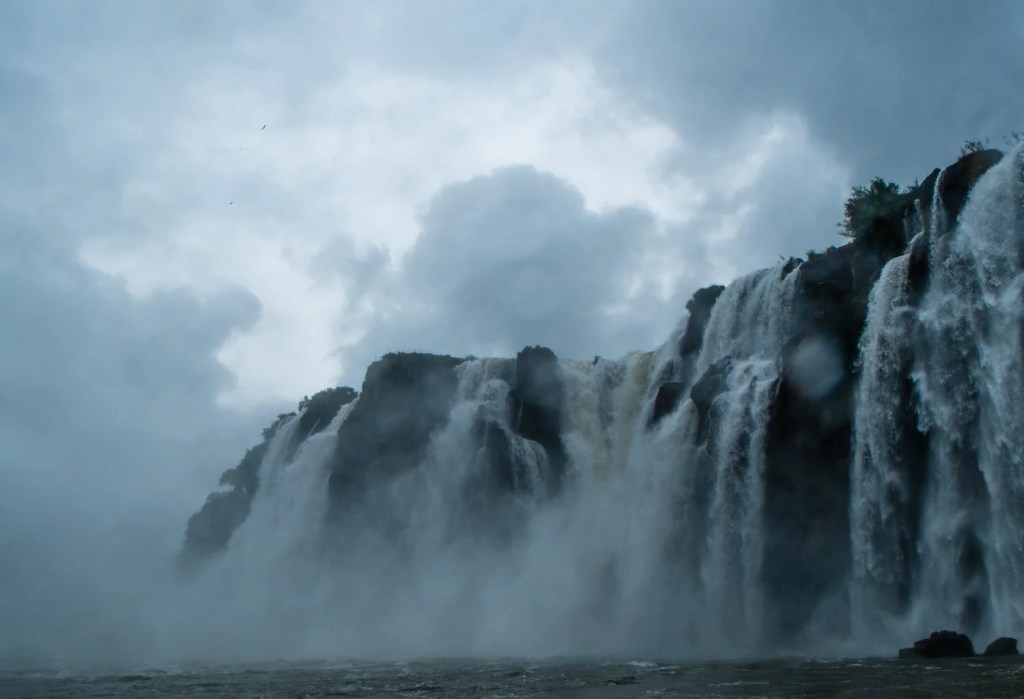
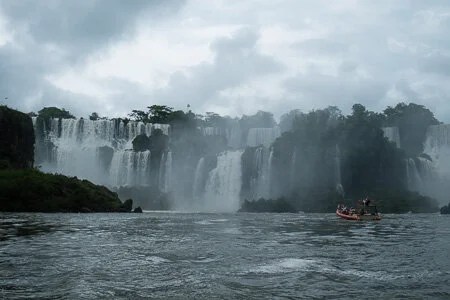
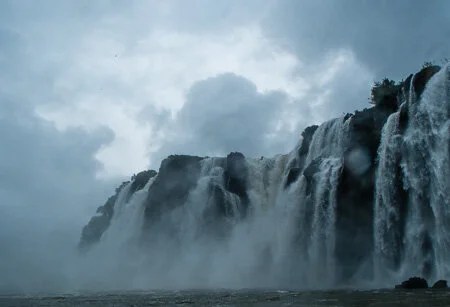
    After a couple of hours we were given waterproof bags for our cameras, watches etc, strapped into life jackets and bundled aboard a large inflatable zodiac which powered up to within about 100 metres of the falls so that we could take pictures from the base of the falls then we were advised to put away and secure anything that could not stand a wetting, at which point the zodiac buzzed up to the face of the falls, zoomed around the various cascades and took us as close as possible short of actually boating under the falls themselves. I have no clear recollection of the trip, as I had taken off my glasses as advised, but they would have been useless in any event as we were pummeled and overwhelmed by a welter of pounding water and spray so that it was impossible to see anything except for a very loud, white, wall of water. Even breathing was hard since the volume of spray was overwhelming; it was only possible for me to breathe through my mouth which meant that I consumed gallons of the river, fingers crossed.

    Wet and weary we walked back to the hotel, changed and packed for tomorrow and went to the bar. Spent a couple of hours there, had dinner from the menu of bar snacks, much better than the dining room and watched a flaming Iguazu sunset.

    Off to bed to be ready for our flight in the morning to Salta.

  • Posadas – Day 6

    Today is our last day of relaxation before we drive to Iguazu Falls and then on from there to Salta where we pick up our car and driver and head out for 5 days in the Andean high plains.

    Day opened cloudy and overcast but quickly cleared with a bright sun and a strong wind whirling though the trees. Our hosts made a number of suggestions for activities for us but we opted to lie in the shade and relax since we knew that we had a number of high intensity days ahead of us. Got the blog caught up, downloaded the pictures on various cameras and just slowly puttered the day away. The rest of the guests were all out on various activities and so we had the place to ourselves.

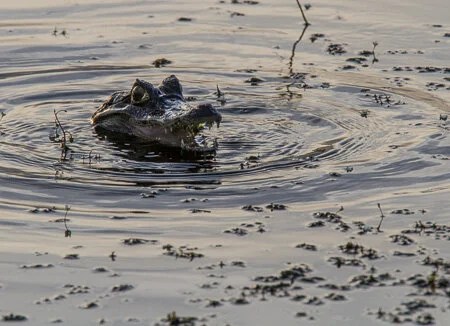
    Young Cayman, Iberá wetlands
    Young Cayman, Iberá wetlands

    By mid-afternoon the weather changed and the strong winds that had been blowing all day began to bring large dark thunderheads over the horizon and they quickly filled the skies. Booming thunder and a great play of lightning for an hour or two but no rain. What was fascinating was something that I had never seen before, a great cloud of dragonflies appeared and they buzzed a and hovered as the sound and light show was as its most violent, they would then disappear when things quieted a little only to reappear when it became intense again. Eventually the skies opened and it rained copiously and periodically until late in the evening when we went to bed.

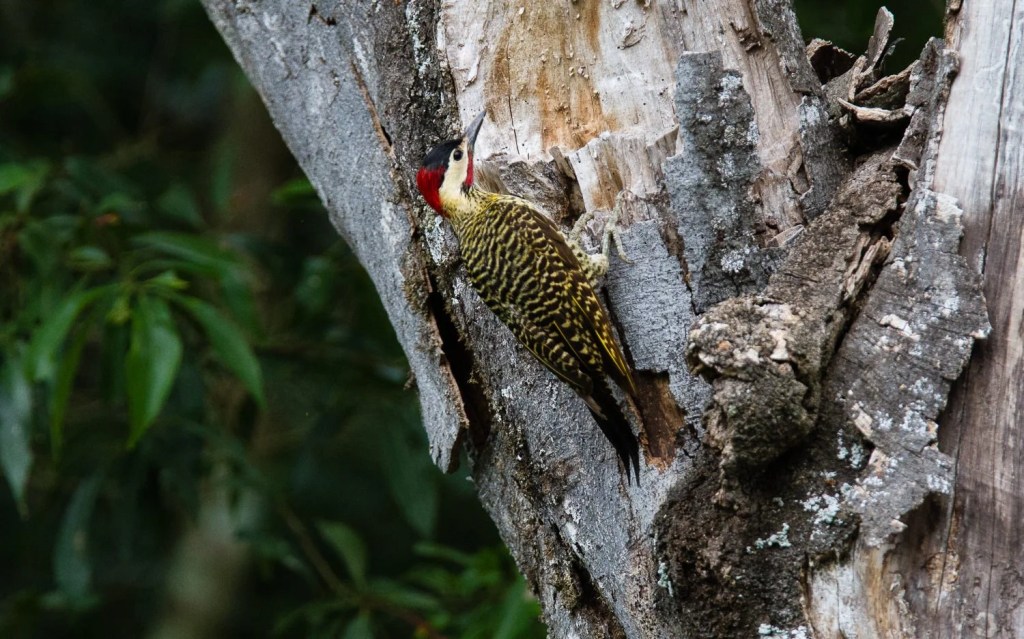
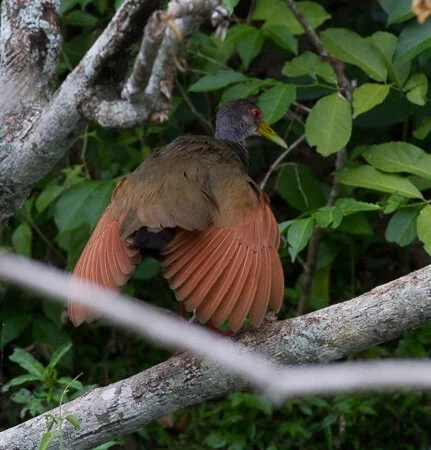
    Red Headed Woodpecker, Iberá wetlands
    Red Headed Woodpecker, Iberá wetlands

    Dinner was very good, caprese salad with good tomatoes, fresh basil from the hotel’s garden and fresh mozzarella, a main of a very tender veal steak and a wonderful desert. After dinner the guests, all 8 of us plus a couple of women architects who are staying in one of the guest rooms and are preparing the plans to extend the number of rooms and the food and dining areas, retired to the sitting room and chatted over wine. The more noticeable of the two architects was a woman, tall and slim, in her mid to late 50’s with a pleasant but forceful voice and manner. The conversation eventually turned to Argentina and it’s challenges. Very interesting insights into the education system, the economy and most tellingly politics and corruption. The architect was a very bright, clear-sighted woman with strong analytical powers, great fluency in putting complex ideas into words and seemingly an objectivity about her country and it’s strengths and weaknesses. As might be expected, a lively discussion ensued.

    The one troubling aspect of our stay was first noticeable when we were driving up the hotel on the first day when we could see that extensive tracts of land were given over to eucalyptus. That same afternoon when we visited the lagoon all the vast countryside that we drove through and also owned by the group that owns the hotel, was also planted under eucalyptus.

    Eucalyptus is an invasive species that depletes soils, overruns competing species, is deadly for indigenous bird and animal species, and simply siphons water out of the water table and in fact is used to drain swamps. When I asked the architect why the company would plant eucalyptus in the face of its commitment to sustainable practices I was told the the trees were not a problem, concerns were over-hyped and there was lots of water in the wetlands yet our guide in the lagoon expressed concern at the continual lowering of the water level in the swamp.

    A very pleasant stay, but left with a troubled feeling and lots of unanswered questions.

  • Posadas – Day 5
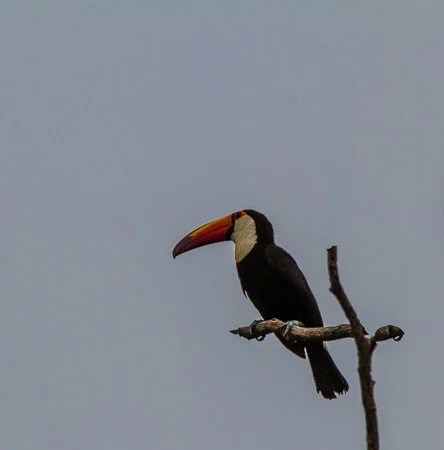
    Toucan, Posadas
    Toucan, Posadas

    We were due to take a boat across the river to a deep, narrow bay on the Argentine side of the river near Paraguay, which is a quiet backwater about 25 metres wide, and whose banks are lined with trees full of assorted birds and monkeys. The wind had really picked up overnight and was blowing with enough force to turn the river into a welter of large breaking waves; it was not practical to take the boat across 10 or 15k of open water in the teeth of the wind and with large breaking waves so our trip was postponed until the afternoon, weather permitting.

    BA-12
    BA-12

    While we waited I managed to download photos from V’s and my assorted 5 cameras and I worked on the blog and got caught up to date. Day very hot in spite of the wind so I sat in the shade of of the screened-in veranda of the estancia, out of the wind and the sun and typed happily away for a couple of hours.

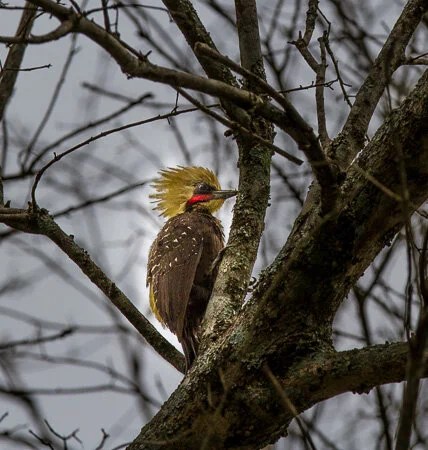
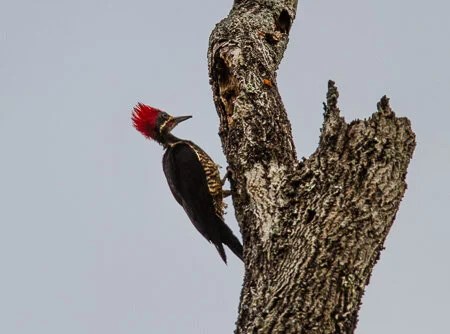
    Woodpecker, Posadas
    Woodpecker, Posadas

    By 4 the wind had abated and we set out with a very pleasant British couple who are also photographers and travelers who have spent a lot of time in Africa. Shared stories while we chugged across the river to the canal. Poked along its length for a couple of hours and got some great shots of toucans, monkeys, two different species of woodpeckers, and a variety of job-lot birds.

    BA-13
    BA-13

    Bird photography really is a specialist sport, I was using a Canon 7D with a 300mm 2.8 lens and a 1.4 lens extender, which gives me an apparent reach of 670mm which is not nearly long enough and weighs about 4.5k to boot; not easy to handhold steadily on firm ground far less in a rocking boat. V and the other couple on the other hand were using small Panasonic traveling cameras that could create an apparent 1200mm reach or almost twice the length of mine and resolve their images twice as close as I could with cameras that weighed about 400g. This is one occasion when I would have happily traded all the fancy gear for a more manageable point and shoot.

    Nonetheless think I got a couple of keeper shots and was happy to have had the experience. Home to dinner, stuffed quail, a good bottle of wine, and so to bed.