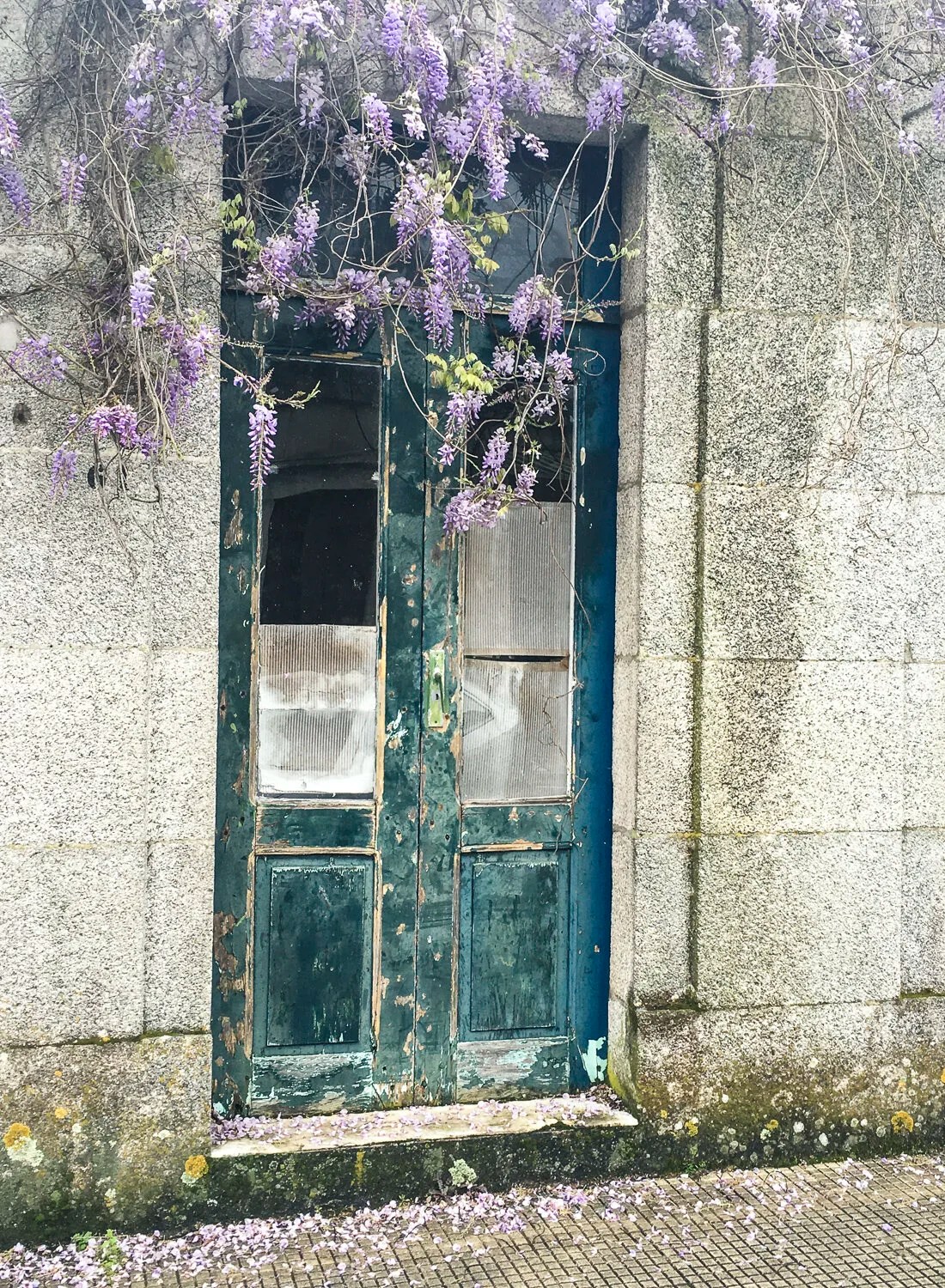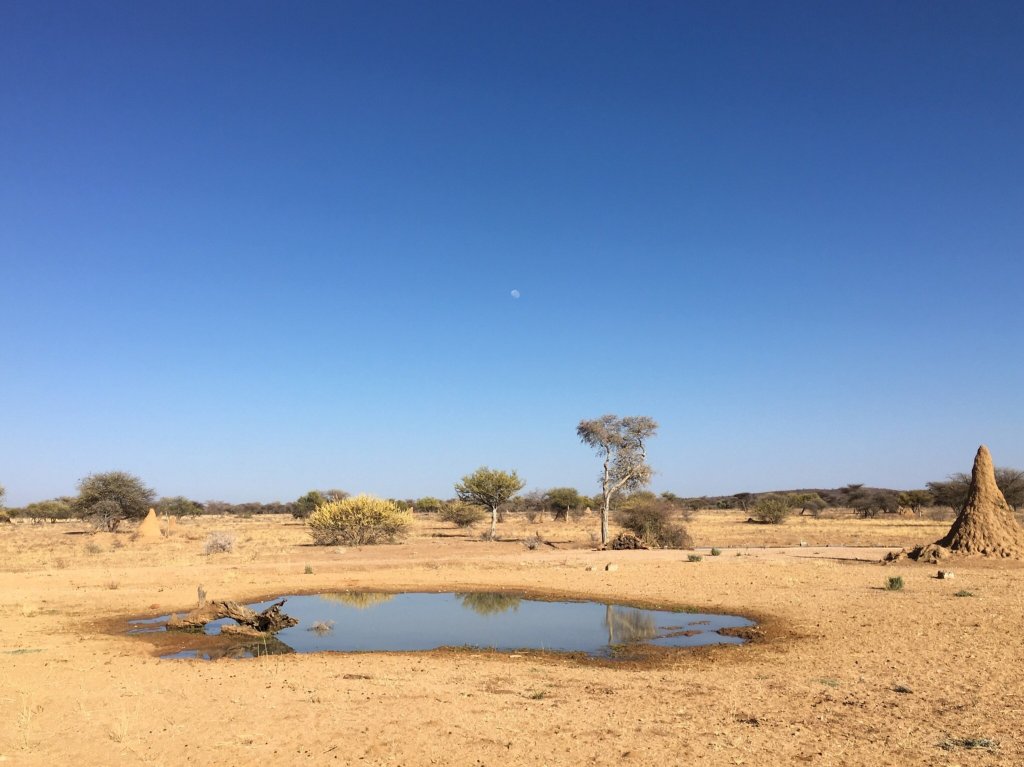
• Namibia – Many days

    First chance I’ve had to catch up the blog for over a week. We have been driving every other day for 5 or 6 hours a day and when not driving, access to wifi and the web has been spotty at best so am very far behind what’s happening in the rest of the world and have been unable to update the blog. I think that’s a win-win for me and you.

    Okonjima Camp, our first couple of days, was a good re-introduction to getting up before dawn for safari game drives to see what wild life was roaming the area.  The camp and the money generated by the hotel on the property as well as from money raised through the international fund-raising efforts of the AfriCats Foundation is dedicated to taking care of orphaned animals, cheetah in particular, and re-introducing them to the wild. Big cats are vermin to many farmers in Namibia as they kill cattle which is raised on farms throughout the country. Famers shoot leopards and cheetah and when they then find orphaned cubs, they call AfriCats to pick them up, giving as their excuse that they stumbled on them and believed the mother to have been killed. They are fed and reared and when old enough, released into the huge property that AfriCats owns with the hope that they will adapt, learn their craft and become self-sufficient hunters. It does not always succeed and there are a number of cheetah who could not make the transition and who are permanent residents of the Foundation which continues to feed and provide care for them.

    I understand and applaud their goals and yet there is a part of me that remains ambivalent. The Foundation is a large one with a huge property and many staff and supporting infrastructure and as far as we could tell there were only 6 animals on the property that were successfully operating as wild cheetah with another number who were being taken care of since they could not make the transition. I don’t know if there has been a long successful history of re-introduction and the present 6 are only the latest examples of a good working model or if they represent the apex of achievement; I’d like to dig into this a little one our return. It does seems an enormous investment in time, talent and treasure for a limited outcome. I understand that the whole structure provides work and livelihoods for many people and that that benefits the local economy. Additionally, the Foundation does stress its educational work in making sure that coming generations of Namibian kids grow up with the idea that cheetah and big cats  in general are important to preserve. They feel that they are presenting an important counter argument to a position held by the parents of the kids that they are trying to reach. All good work I’m sure, but there are still many unanswered questions for V and I that we need to get more comfortable with on our return.

    Our trip to Mushara Outpost, our next stop was, unbeknownst to us and with a couple of exceptions, the last paved roads we have seen since. The speed limit on Namibian highways is 120K and we were warned by the car rental people not to exceed it. It goes without saying that I did and the road being relatively lightly traveled, I was cruising along in the low 130’s when I was passed by a white Mercedes traveling at least 30K faster  than we were. We were surprised at its speed but did not take particular notice of it, when about 5K further on I saw the ominous sign of a uniform on the side of the road waving us over. V’s first question was, “Should we make a run for it, they’ll never catch us”. However, pull over I did and the officer asked the traditional question, “Do you know how fast you were going?” To which I gave the traditional answer, “Just around the speed limit I think”. When he said that he had clocked us at 131K we both asked why he had pulled us over and not the white Mercedes that had raced by us, he looked at me, turned around and said, pointing, “Do you mean the one over there with the other officer?”.

    The fine for that speed, as he showed me in his manual, was $1500 Namibian or about $175 Canadian, the fine for the Mercedes was $5000 Namibian. However, both of the police were very pleasant and when they had built up the tension a little, telling us that we would have to drive out of our way to a local police station and wait to go through the process of paying the fine, they said that they would let it drop. We had been warned not to pay police bribes if we were stopped for any reason so I was convinced that letting it drop was shorthand for “you can pay me instead of going to all the trouble of going to the police station” but didn’t want to ask outright what he wanted us to pay him so I kept trying to find the right words to use and V kept kicking me quietly and trying to drag me away. As it turned out they really were very nice and were trying to find a way to let me know that it was finished and we could leave, a point understood by V but not by your humble correspondent who charged around the china shop knocking over everything that got in the way. As V let me know when we got back in the car, we were only seconds away from the officer repenting of his decision and reaching for his book to write the citation. Everyone wanted me to stop talking and smile gratefully while I determinedly plowed on desperately trying to snatch defeat from the jaws of victory. Needless to say I put the car on cruise control at 117K and sedately completed our trip.

    Our destination after Okonjima was Mushara Outpost, one of three Mushara properties about 5k outside the gates of Etosha National Park. Etosha is huge, originally 88,000 square kilometres in size and now, for reasons I do not know, reduced to a “mere” 23,000 square kilometres in extent. Mushara is by far the nicest place that we have stayed on the trip to date, a wonderful, elegant, old-Africa ambiance with each room an individual house built on stilts, and all the rooms scattered around the treed private grounds. At my next opportunity I’ll add another chapter.
     

  • First day in Namibia

    Friday was a very, very, very long day. Landed in São Paulo at 10 am and our next connection was at 11:30 pm for our overnight to Jo’burg. I had booked us a day room at the Wyndham Tryp hotel which is in the secured in-transit area of the terminal so that we could get some sleep and have a base for the 14 hour layover without going into the public area of the terminal and so avoid having to deal with passport control and security. Good idea on paper but 14 hours marking time is very slow in reality. Slept for a couple of hours and found that the best way of getting through the day was to concentrate on not looking at my watch until at least a half hour had passed since my last look, a game with a remarkably low engagement factor. I was reminded of a movie made 5 or 6 years ago concerning someone who, for unremembered reasons, lost papers?, could not leave the transit area. Couldn’t go back and couldn’t go forward, had no accommodation so slept on benches, and simply waited. Don’t know who wrote the script but it should have been Beckett. I empathized.

    Arrived in Jo’burg in the early afternoon on Saturday, slept for a few hours, took the train into the city and had a really good dinner at The Butcher Shop grill, we both had very rare steaks, lots of fresh vegetables and a gallon or so of a wonderful South African cabernet, the single best prescription for re-kindling the ashes.

    We stayed at the Intercontinental hotel in the airport, a very nice hotel, and took our checkable bags and checked in at 7 am, returned to our hotel for breakfast and then returned in time for our flight at 9:30. One advantage of this was that our carry-on bags did not accompany us when we checked in, we had left them in our room, but only when we went to security and on to our gate, thus avoiding the negotiation with the check-in agent about the number and weight of our carry ons, a huge relief.

    We are now at our first safari camp in Namibia, Okonjima Camp, which is in a massive 220,000 hectare private reserve dedicated to re-introducing orphaned cheetah cubs back into the wild. Long and very interesting story but will write more on that tomorrow.

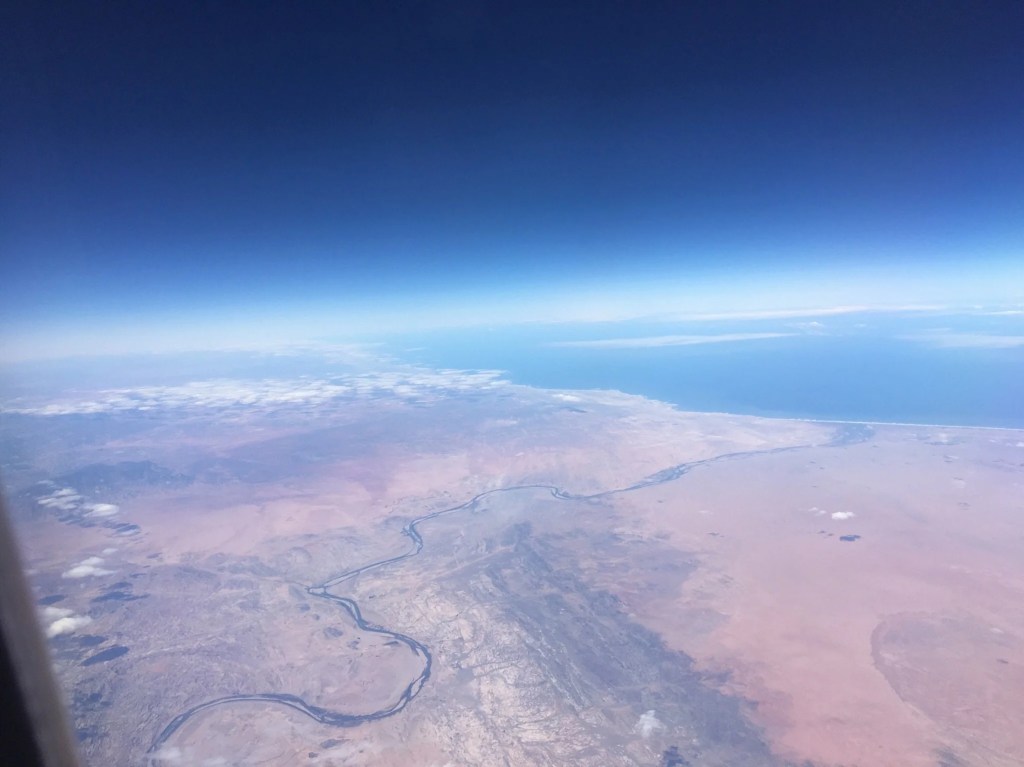
    Picture above is the first sight of Africa, flying in over the desert, with the Atlantic in the background.

    Stay tuned.

  • On our way to Namibia

    We left last night for the first leg of our trip to Namibia and then on to Jordan. This is our third trip to Africa since 2012, clearly it has attractions for us. We’re flying to Jo’burg via São Paulo with a 14 hour layover in São Paulo. I’m not a great fan of Aeroplan, the only routing that allowed us to get to Jo’burg on points and in Business is the one we’re flying. Aeroplan offered us other options, a leg to Montreal then an overnight to Frankfurt or London, a long layover and then another overnight to Jo’burg. However the Toronto-Montreal leg was in Business the two overnight legs were in Economy but Aeroplan wanted to charge us the full Business points total even though the only leg that was in Business was the one to Montreal. I don’t mind paying the full whack to fly in the front cabin but I find it really galling to be charged maximum points to fly in steerage. I know, no handkerchiefs, a first world problem.

    All flights to South Africa from North America, with the exception of a direct Washington to Jo’burg flight that’s almost impossible to book on points, are right angled routes, no diagonals, so an overnight north-south or east-west, a long layover and another overnight flight perpendicular to the first. We’re in São Paulo, halfway though our 14 hour layover and another overnight flight to go.

    On arrival in Jo’burg we fly to Windhoek in Namibia, pick up our 4×4 and self drive through Namibia for the next two and a half weeks. With the exception of our first days driving most of our travel is on gravel roads so expect that we will be dealing with our share of changing flat tires.

    This trip is all about landscapes, the scenery and the light will be stunning. I have packed a tripod and my Pentax 645z medium format camera as well as a couple of Fujis and all their respective lenses. As usual I will be battling overweight issues, my carry on camera gear weighs 20k and I’m allowed 8k so expect that our internal flights will be their usual adventurous nightmare.

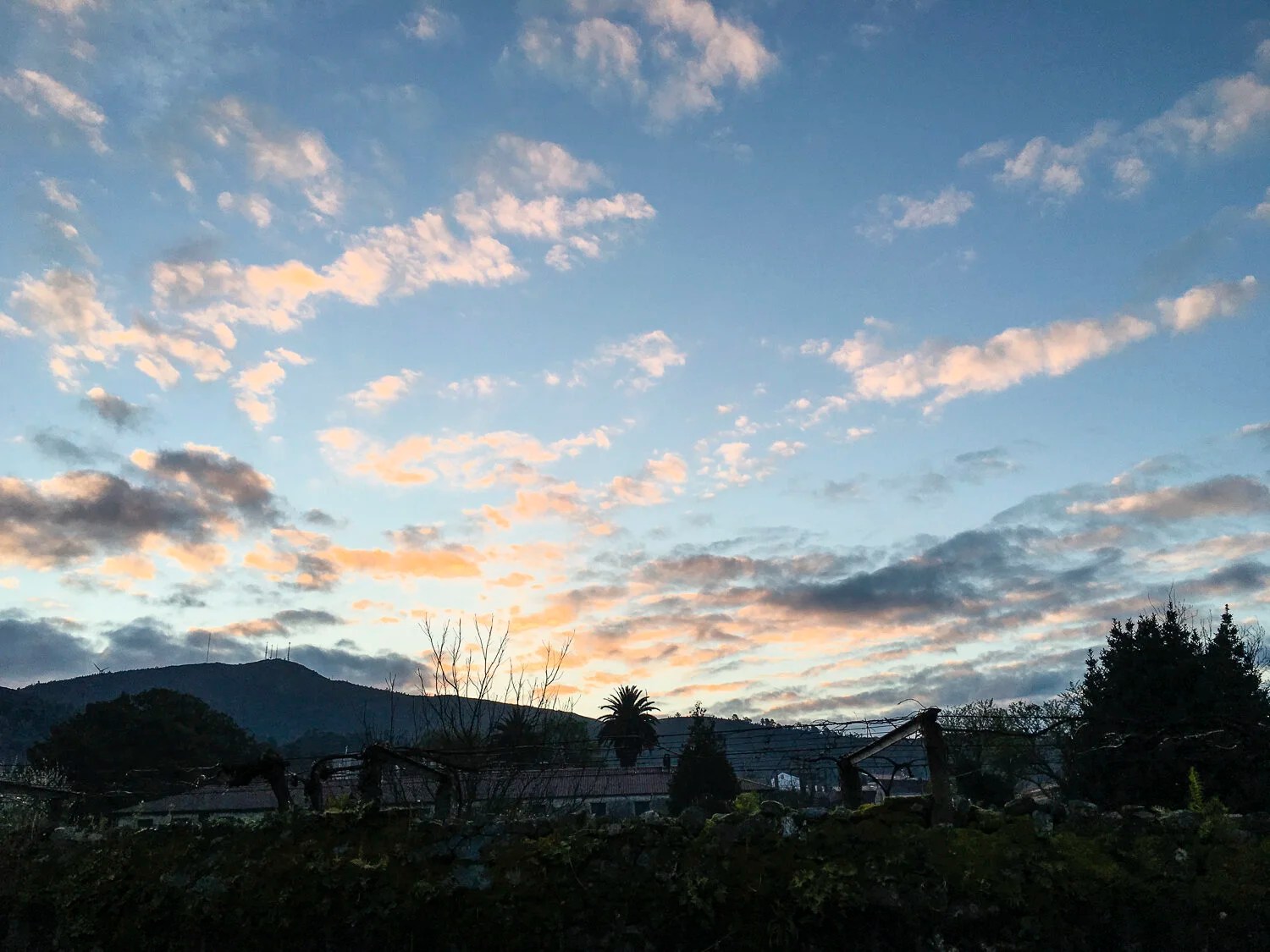
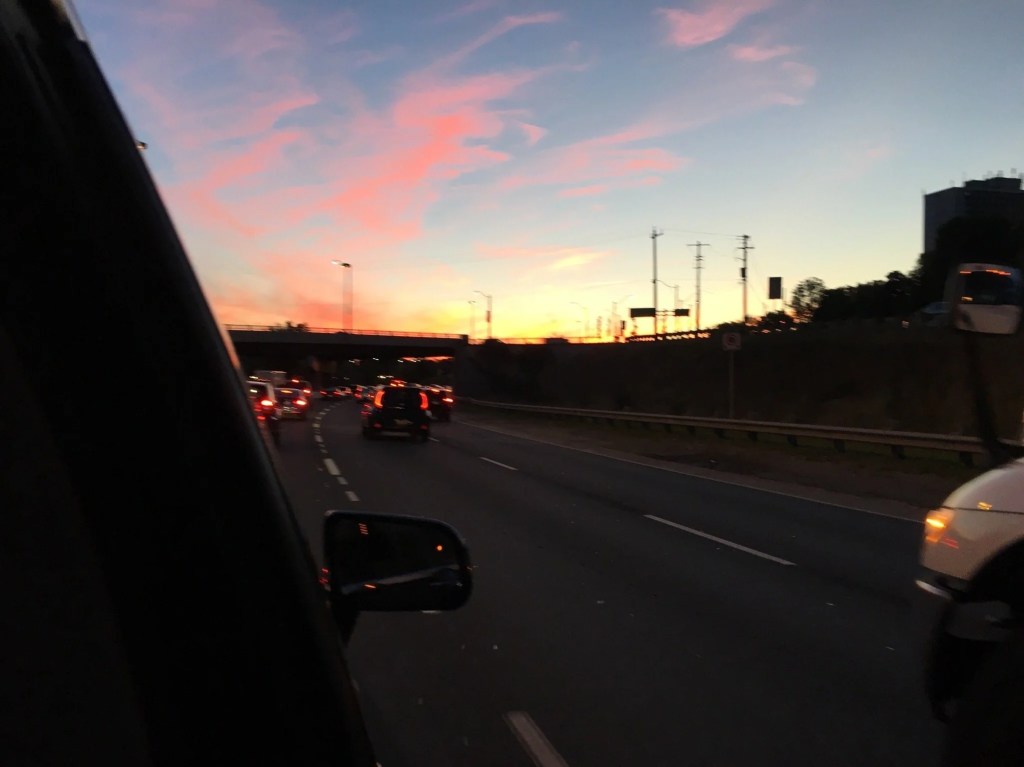
    On the way to the airport last night I was reminded that our timing for this trip is not ideal when I saw a huge, yellow autumn full moon rising over the city. At the time that we booked the trip I had committed to show at the Cabbagetown Art Show and so we were constrained to leave at the time we are now going, unfortunate as all I could think of was what a stunning shot that would have been with the full moon rising over the Namibian desert. I tried to get a shot of the moon on my iPhone but leaning out of a limo window at 100k on the highway and shooting backwards is not an ideal shooting scenario and instead I settled for trying catch the stunning sunset ahead of us on the iPhone. Not a very good shot, shaky and out of focus but the colours were spectacular and I really wanted to see if the iPhone could catch them, it couldn’t, as you can see in the image that leads off this post.

    Stay tuned, more to come

  • Came across this article in today’s NY Times and Ithought it interesting enough to quote in its entirety. The author raises an issue that I wrestle with periodically….and while I don’t agree unreservedly with the proposition there are some compelling questions raised that need to be examined.

    “NOW that populist rebellions are taking Britain out of the European Union and the Republican Party out of contention for the presidency, perhaps we should speak no more of left and right, liberals and conservatives. From now on the great political battles will be fought between nationalists and internationalists, nativists and globalists. From now on the loyalties that matter will be narrowly tribal — Make America Great Again, this blessed plot, this earth, this realm, this England — or multicultural and cosmopolitan.

    Well, maybe. But describing the division this way has one great flaw. It gives the elite side of the debate (the side that does most of the describing) too much credit for being truly cosmopolitan.

    Genuine cosmopolitanism is a rare thing. It requires comfort with real difference, with forms of life that are truly exotic relative to one’s own. It takes its cue from a Roman playwright’s line that “nothing human is alien to me,” and goes outward ready to be transformed by what it finds.

    The people who consider themselves “cosmopolitan” in today’s West, by contrast, are part of a meritocratic orderthat transforms difference into similarity, by plucking the best and brightest from everywhere and homogenizing them into the peculiar species that we call “global citizens.”

    This species is racially diverse (within limits) and eager to assimilate the fun-seeming bits of foreign cultures — food, a touch of exotic spirituality. But no less than Brexit-voting Cornish villagers, our global citizens think and act as members of a tribe.

    They have their own distinctive worldview (basically liberal Christianity without Christ), their own common educational experience, their own shared values and assumptions (social psychologists call these WEIRD — for Western, Educated, Industrialized, Rich and Democratic), and of course their own outgroups (evangelicals, Little Englanders) to fear, pity and despise. And like any tribal cohort they seek comfort and familiarity: From London to Paris to New York, each Western “global city” (like each “global university”) is increasingly interchangeable, so that wherever the citizen of the world travels he already feels at home.

    Indeed elite tribalism is actively encouraged by the technologies of globalization, the ease of travel and communication. Distance and separation force encounter and immersion, which is why the age of empire made cosmopolitans as well as chauvinists — sometimes out of the same people. (There is more genuine cosmopolitanism in Rudyard Kipling and T. E. Lawrence and Richard Francis Burton than in a hundred Davos sessions.)

    It is still possible to disappear into someone else’s culture, to leave the global-citizen bubble behind. But in my experience the people who do are exceptional or eccentric or natural outsiders to begin with — like a young writer I knew who had traveled Africa and Asia more or less on foot for years, not for a book but just because, or the daughter of evangelical missionaries who grew up in South Asia and lived in Washington, D.C., as a way station before moving her own family to the Middle East. They are not the people who ascend to power, who become the insiders against whom populists revolt.

    In my own case — to speak as an insider for a moment — my cosmopolitanism probably peaked when I was about 11 years old, when I was simultaneously attending tongues-speaking Pentecostalist worship services, playing Little League in a working-class neighborhood, eating alongside aging hippies in macrobiotic restaurants on weekends, all the while attending a liberal Episcopalian parochial school. (It’s a long story.)

    Whereas once I began attending a global university, living in global cities, working and traveling and socializing with my fellow global citizens, my experience of genuine cultural difference became far more superficial.

    Not that there’s necessarily anything wrong with this. Human beings seek community, and permanent openness is hard to sustain.

    But it’s a problem that our tribe of self-styled cosmopolitans doesn’t see itself clearly as a tribe: because that means our leaders can’t see themselves the way the Brexiteers and Trumpistas and Marine Le Pen voters see them.

    They can’t see that what feels diverse on the inside can still seem like an aristocracy to the excluded, who look at cities like London and see, as Peter Mandler wrote for Dissent after the Brexit vote, “a nearly hereditary professional caste of lawyers, journalists, publicists, and intellectuals, an increasingly hereditary caste of politicians, tight coteries of cultural movers-and-shakers richly sponsored by multinational corporations.”


    They can’t see that paeans to multicultural openness can sound like self-serving cant coming from open-borders Londoners who love Afghan restaurants but would never live near an immigrant housing project, or American liberals who hail the end of whiteness while doing everything possible to keep their kids out of majority-minority schools.

    They can’t see that their vision of history’s arc bending inexorably away from tribe and creed and nation-state looks to outsiders like something familiar from eras past: A powerful caste’s self-serving explanation for why it alone deserves to rule the world.”


  • Final, Semi-final? Camino thoughts

    This likely to be a somewhat disjointed post today as I look back on the last couple of weeks and try and put them in some sort of perspective.

    Wednesday April 6 – My fellow walkers stayed at a different hotel than I did, my choice, as their hotel is one recommended by the company that organized the lodgings for our walk, while I’m staying at a wonderful little hotel behind the cathedral where I stayed when I came to Santiago a couple of years ago to welcome Diana after her Camino. I walked to their hotel to see them the morning after our arrival, breakfasted with them and then the 5 of us wandered Santiago for a couple of hours before they left to take a taxi to their next hotel. They are walking to Finisterre, about 92K over 5 days. I had been to Finisterre with Diana a couple of years previously and my purpose on this trip was to walk to Santiago, so I had not made arrangements to join them. They too were really feeling weary and in need of a day of rest so we had decided to walk around Santiago, a wonderful city for walking, and then they would take a taxi to their first hotel on their Finisterre walk. Lots of hugs when we separated, a very sad farewell.

    Back to my hotel to do a last laundry in the bathroom sink and get ready to return home. A very disjointed day and evening, on my own and the very tight focus of the last couple of weeks no longer there. Have not really paid much attention to news or events since I left home, all my attention really has been focused on the walk and I almost don’t want to go back to daily routine and worrying about Donald Trump, and whether the UK votes to leave the EU and all of the enormous issues just waiting to gather momentum in our own Canadian political environment not to speak of all of the never-ending things that need to be taken care of on the home front. Pretty privileged I know to be able to step back and leave the job to others for a while, but there really was a great sense of release in simply focusing in a very narrow physical way on a task and letting it take over.

    One of our walkers, Elaine from Newfoundland, was one of the members of the first group of women trained to be officers in the Canadian military. She served in Germany in the 70’s and was an Air Traffic Controller at one of our bases in Germany, lots of fascinating stories. She had great difficulties with an allergic reaction on her lower legs, cause never really established, but which caused the lower parts of her legs to swell and break out in angry red welts and rashes. Very painful and friction from her boots, socks and tights was a continuing painful irritant on her walk. She told me that when she started to feel in a bad way she put herself in military march mode and that helped her to keep going. I asked the obvious question and she said she repeated the mantra that she was taught to march by and it helped straighten out her walk, her cadence and her mind. Some of you reading this might know this, but it was new to me; she repeated to herself “You had a good home but ya left, ya left” with the left foot coming down on the word and this with arms moving in time really pulled your pace and rhythm together. I used this and it really did help the walking and had the added benefit of moving you into an almost zen-like space, the rhythm ticking away in the background and your mind roaming free.

    Thursday April 7 – Packed up and left my hotel this morning and off to the bus station for the bus to Porto and so home on a very early flight on Friday morning. Weather was cool and cloudy but as we started to leave Santiago and drive south the sun broke through, the clouds disappeared and it was a beautiful, sunny spring day. As we drove through Spain and down into Portugal with the bright sun shining, the highway passed all the towns and villages that we had plodded through in the rain. I thought how different they now seemed in the sun and how strange it felt to speed by them after the labour that we spent to win our arrival on foot.

    Very mixed feelings but the one thing about which I’m absolutely certain, I can’t stop here. This has been such a fully engaging endeavour that I would hate to lose all of the joy and sense of accomplishment in overcoming that the last couple of weeks have provided. Not sure what it will look like but there will be more to come.

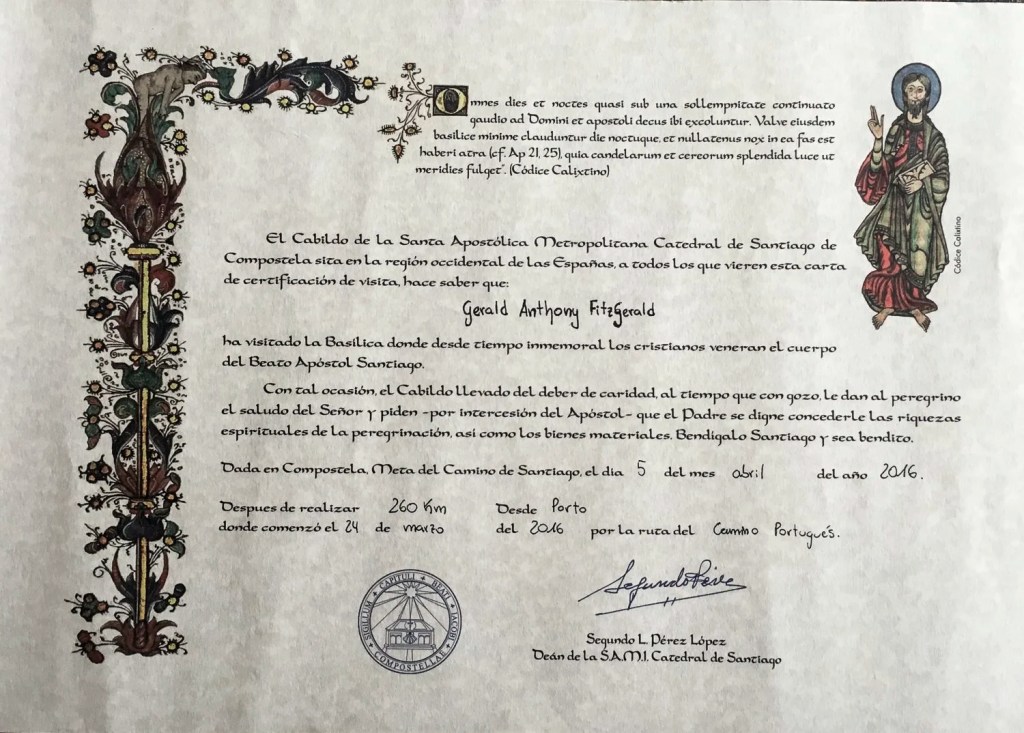
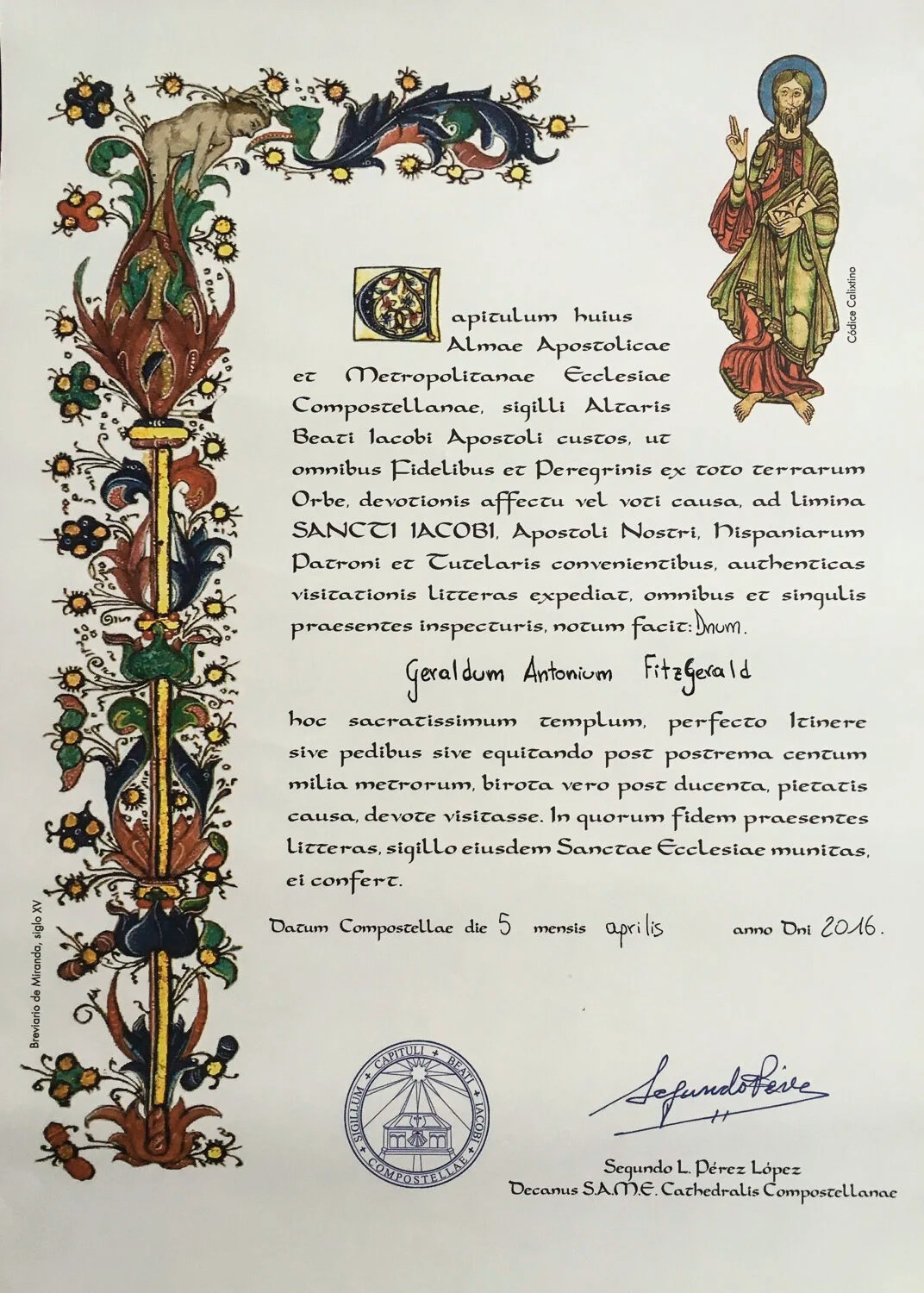
     My Compostela
    My Compostela

    I’ve had some emails and questions about why the Camino and what’s the difference between the Camino and a 260K hike and what’s a Compostela anyway, so a couple of words on the topics. 

    Why the Camino and why not just hike 260K anywhere? Thought about this a lot, in fact more about this than anything else. I’ll start by saying that I’m not Catholic, raised an Anglican, and have not been in any sense religious for most of my adult life. I strongly believe in living an ethical life but do not find it necessary to frame that ethical construct in a religion. Enough said, personal beliefs are by definition personal. I do however want to make clear that this was in no sense a religious quest. But one of the, dare I say few, attractive components of a religion are the forms and formalities that can still be enormously powerful. Liturgical music, plainsong, religious architecture, and more than anything else the sense of shared, fervent commitment that has inspired and created so many many selfless acts. When I came to Santiago a couple of years ago to welcome Diana after her Camino I was struck and moved by the power of the emotions that had driven so many people for over 800 years to put themselves through significant discomfort and some risk to get in touch with something that they felt was much bigger than they, themselves. I felt that this was something that I also wanted to do. For me it was very much about the 800 years of shared history, shared testing and shared accomplishment. And for me it needed to end at St. James Cathedral in Santiago de Compostela. I may now be much more open to a 260K hike through Patagonia or Bhutan but this was a very important thing for me to have done. Haven’t come anywhere close to answering the question, but the best I can do.

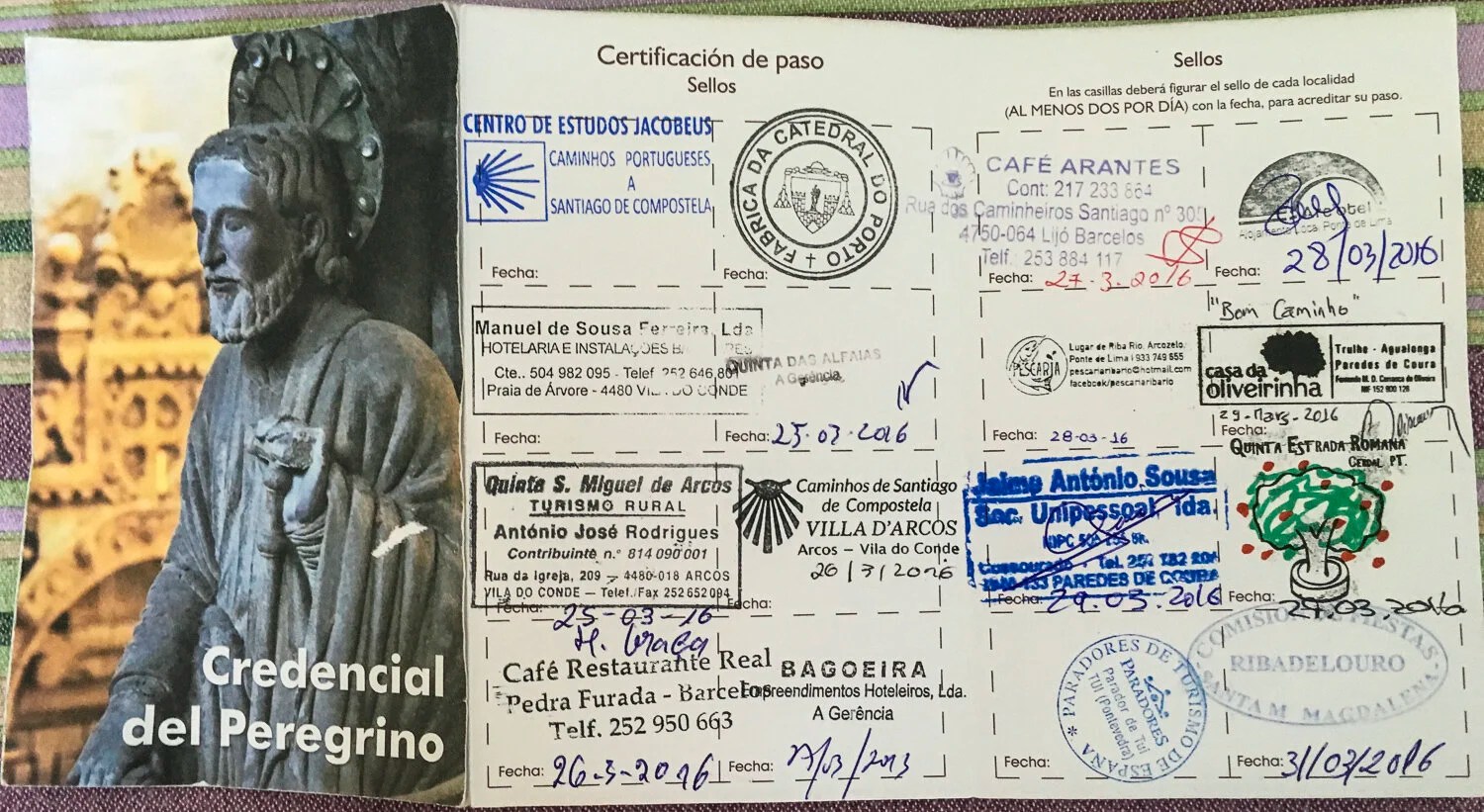
     Couple of pages of my Passport
    Couple of pages of my Passport

    What’s the Compostela? The Cathedral of St James in Santiago has for a very long time issued a document written in Latin that states that the person named therein has come out of a pious motivation to the Cathedral in Santiago to revere the remains of St. James. That’s essentially its entirety. In order to receive your Compostela you must get a pilgrim’s passport from the cathedral or other issuing source at the beginning of your Camino and you must have it stamped in each town or church that you pass through along your way. In reality you try and get two stamps in your passport each day from cafes, restaurants, churches or hotels as you go. The places that stamp your passport are usually pretty good about making sure that they enter the date that they stamped it and they usually sign the stamp as well. The Pilgrim office checks passports to see if they are properly stamped to validate that the owner has done the Camino and has in fact been on the road during the time that you state on your form.

  • Camino –  Days 12 & 13

    Short post today.
    Monday day 12, and gearing up for the final push tomorrow. Out at 8 this morning, once again in the pouring rain. Only 18K today, but some days are diamonds, some days are stones. Yesterday started cold and wet but after the hailstorm the sun broke through and the pleasure came. Yesterday was diamonds but today was stones. I got ahead of the group and really wanted to get through to the end as quickly as I could. The Camino trails were wet and in many places flowing with water. My feet were quickly soaked and after about 7 or 8K when the path crossed a minor highway, think the country portions of Highway 7 or 2 if you know the Toronto area, and rather than face 12K of more wet, muddy trails I decided to stay with roads and use Google maps as my guide.

    The Camino trails are set up, and I’m guessing here but makes sense, to serve two purposes; to provide a more peaceful and contemplative environment for walkers (although there is a certain expectation of mortification of the flesh, think our 2 1/2 hour climb over the hills when the rivers were in flood!) and secondly to keep walkers off the highways. The length of the camino trails as compared to sticking with roads is not significantly different, the cross-country trails can cut off big loops of road. The Camino trails and minor highways generally run in parallel and periodically connect so that you walk large sections on trails but large sections are also walked next to roads and minor highways. Today I decided stay with roads.

    By GPS was about 20K, not 18 and I arrived at about 12 noon, after having gone right through without a stop. Very cold and wet and just wanted to get to the end. The rest of the crew stayed on the Camino and finished about 1pm having gone about 22K but they had a much more enjoyable time than I did. I get it; the highway was a continuous stream of transports, cars and large trucks whooshing by at high speed, spraying water from their wheels and always just a couple of feet away. Not a very contemplative experience and tomorrow I’ll be back on the Camino trails for our final day.

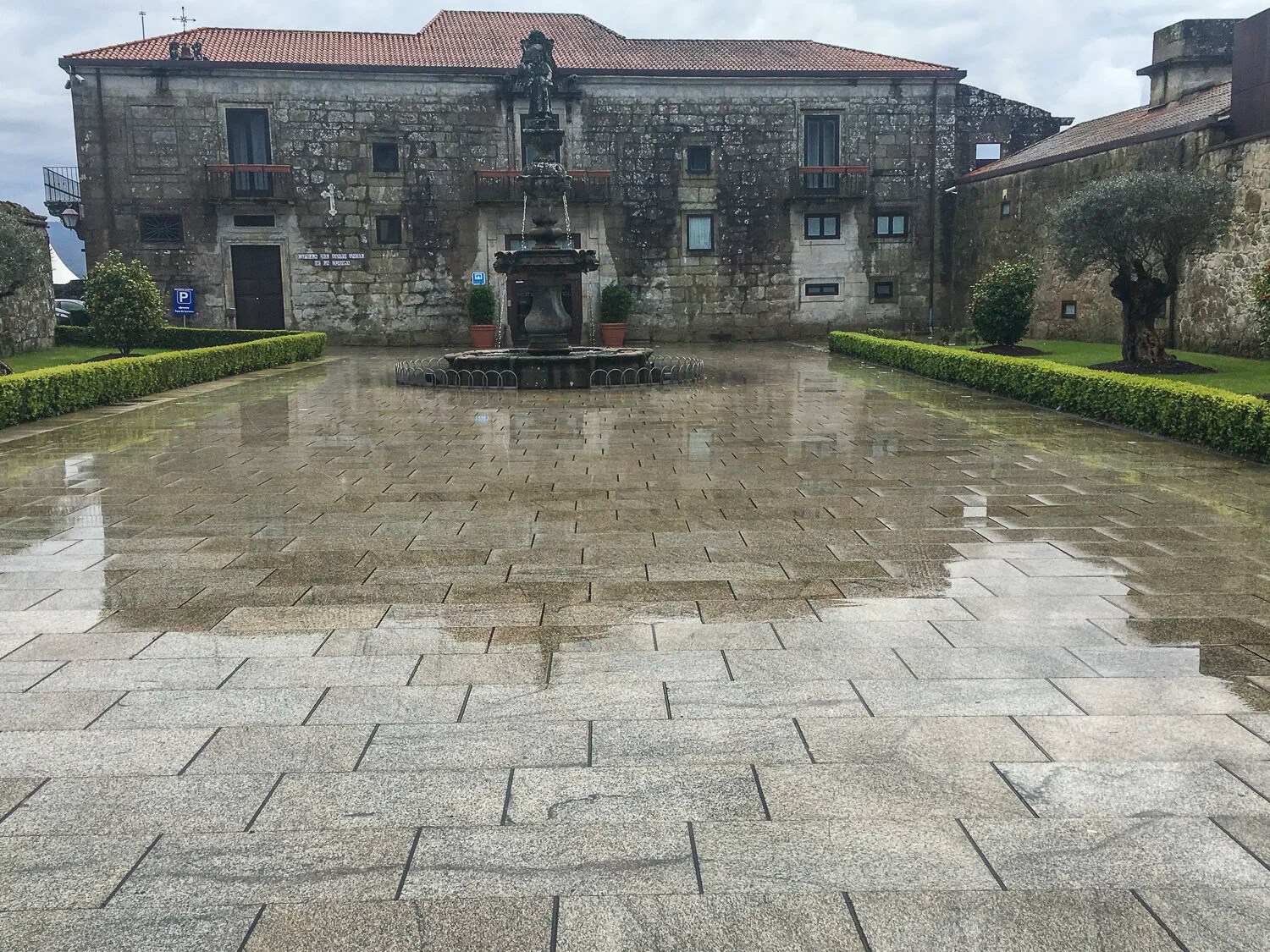
     Posadas de Compostela our home tonight
    Posadas de Compostela our home tonight

    We are in a 4 star hotel tonight, Posadas de Compostela, nice way to finish. An old renovated monastery, large and very comfortable. I had planned to start at 5:30 tomorrow, in time to arrive for the Pilgrim service in the Santiago cathedral at 12:00. The rest of the crew want to leave about 7:30, enjoy the morning and get there when we get there and go to the Pilgrim service at 7:30pm. We all think it’s important that having gone through everything together, we should all arrive together so will join them and leave at 7:30.

    Everyone very excited!

    Tuesday Day 13  2 for the price of 1! Couldn’t get enough of a signal yesterday to get off my post so am sending it today, along with thoughts on our final day on the road and arrival in Santiago.

    Our 4 star hotel, Posada de Compostela, of the previous night turned out to be a hollow sham, a painted face and a vacuous mind. There were only 3 staff that we could see, the receptionist, a large, unwilling man who lurked and a very young and terrified bartender. We know all this because the rooms and the public spaces as beautiful and well-appointed as they were, were very cold, no heat anywhere and we spent our time in the large, bright, glass-fronted bar area which at least had some semblance of warmth. Lunch was a foretaste, unfortunate choice of words, of what was to come. We were told on arrival that we needed to order immediately so that the food could be prepared and would be ready in 1/2 hour. Our choices on the menu were soup and a ham and/or cheese sandwich and all of the immense perms and coms of those items. We all chose a ham and cheese sandwich and soup. We were also told that dinner would be at 9.

    We arrived in the bar area at the appointed time to find the receptionist and the large lurking man were also staffing the kitchen and serving. Food arrived in fits and starts over the next 1/2 hour, someone got their soup, someone else got a sandwich, two slices of toast with a slice of ham and of cheese, enormously complex to put together, but at odd intervals and over extended periods of time. My sandwich arrived early in the game but my soup not until the angelus was ringing, it of course was cold, and only arrived, grudgingly, because they presumably became tired of hearing my whines and whimpers from the corner of the room. These could not have been upsetting to the other guests because there were no other guests. Lunch consumed an hour, a term used loosely as during this time little was consumed but time.

    Back to our rooms to rest and prepare for the next day, our last on the road. Too cold in the rooms so by 5pm back down to the bar to wait the 4 hours until dinner. And during this time the large lurking man revealed his purpose. Shortly after we arrived at the bar so did a group of two older couples and a young couple, clearly interviewing the hotel as a possible site for their wedding. The large man turned out to be the hotel’s special events marketing person and he spent the next 3 hours at a large table showing brochures, answering and asking questions and demonstrating more activity and life than he had heretofore.
    Hilarie and I tried to convince the receptionist to move our dinner up to 8 or anything earlier than 9 since we had an early start in the morning and a long day ahead, and since in any event there were no other guests and no one would be discomoded. All to no avail, it was impossible, it was too difficult to arrange, it was logistically too complex. We pointed out that it was a set dinner as part of our room arrangement and all they needed to do put it in the microwave an hour earlier, not well received. So back to the bar to drink the evening away. Our bartender was a terrified young man who I believe had just started his job that day, the season was just beginning and I don’t think anyone had been properly trained to receive guests. There was no one there to supervise and help, except presumably the large man and he was busy pushing weddings and if his behaviour over lunch was indicative, was not even slightly interested in guests’ welfare. Our young bartender was so terrified that he needed to check with the receptionist before he could fill an order or, come to that, a glass and his hand literally shook so badly that as he was pouring, the wine spilled onto the table, not once but each time. It was pitiful and we felt for the young man who had been put in that position and left to his own devices. Need I point out that all the paradores and pousedas are government owned and run?

    When 9pm arrived it became clear why dinner could not have been changed, as at that moment the night receptionist arrived, the day receptionist left to go home and the new woman went to the kitchen to prepare dinner. I will pass over the rest of the evening, suffice it to say that we finally left for bed after 10:30 following the main course and before desert could even be offered.

     On our way to Santiago
    On our way to Santiago

    On the road by 7:45, excited and nervous both by the expectation of arrival in Santiago and also by the walk ahead of us, 24K with two sets of climbs on the way. Still and and very misty as we left and as the sun rose by 9, sunshine with a bank of clouds, air cool and a chilly wind. Today felt very, very long. We stayed fairly close together as we moved, within a couple of hundred metres of each other. The walks allow for a certain amount of conversation but people move comfortably at different rates and conversation is not easy on climbs and in any event, I think people are simply not inclined to extended talk, not the reason they are there. Day moved continually through sunny to overcast and cool, back to broken sun; very good to walk. The walk took on a sort of treadmill quality as we got within 6 or 7 K of Santiago. We could see the city in the distance after a climb of about 300 metres over a 5K distance but we still had to descend to the bottom of a river valley and then back up about 300 metres to the outskirts of the city. That last piece was interminable and I think it took about 2 hours to cover, up and down and nothing ever seeming to get any closer.

     Welcome to Santiagp. Scarecrow on the outskirts
    Welcome to Santiagp. Scarecrow on the outskirts

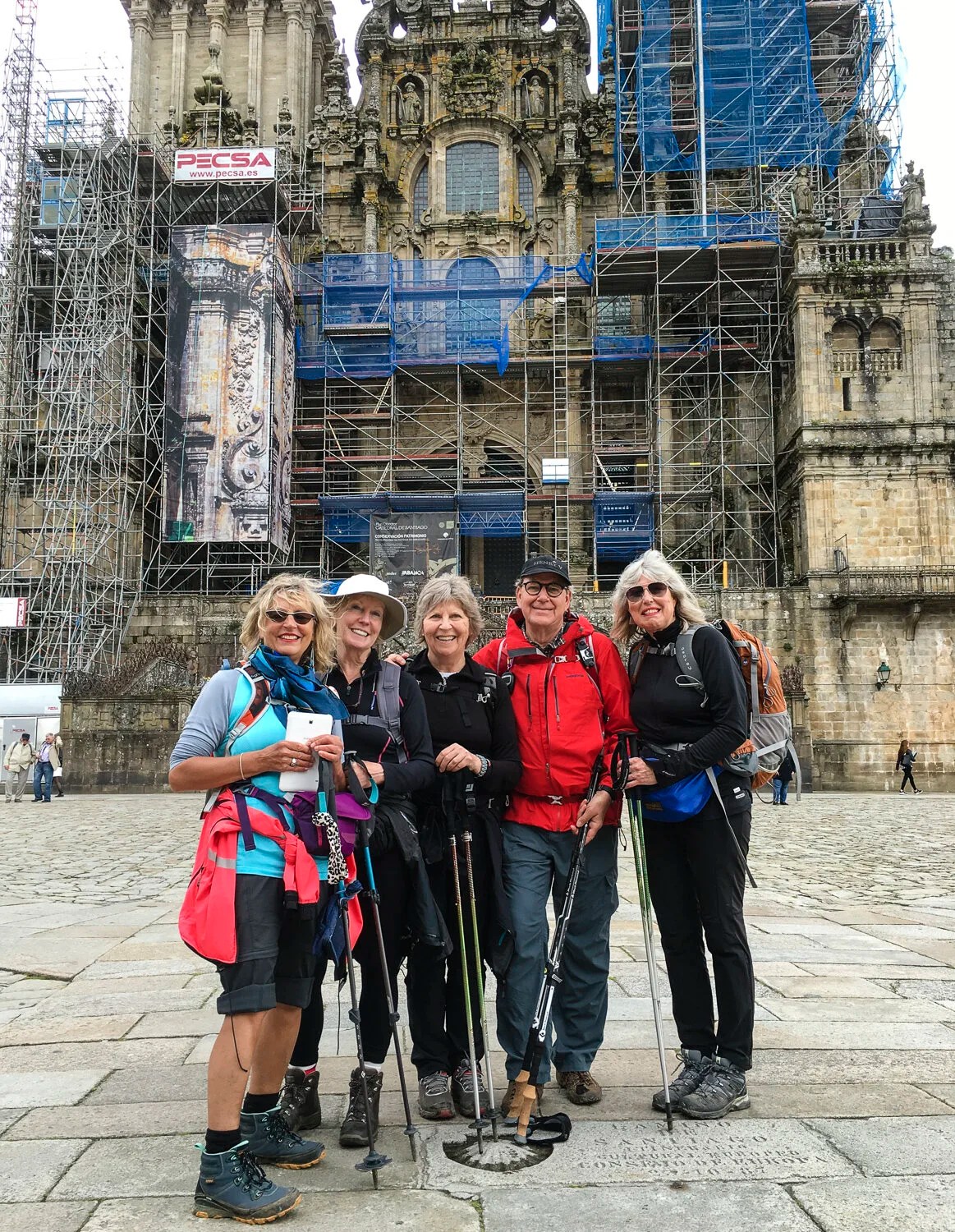
    Arrived in the outskirts with about 1.5K to go and just put our heads down, tow of our group were in major distress with very bad knees and feet and we just wanted to get there and complete. Finally arrived in the Cathedral square about 2:30 after 7 hours to cover, as it turned out about 26K by GPS tracking.

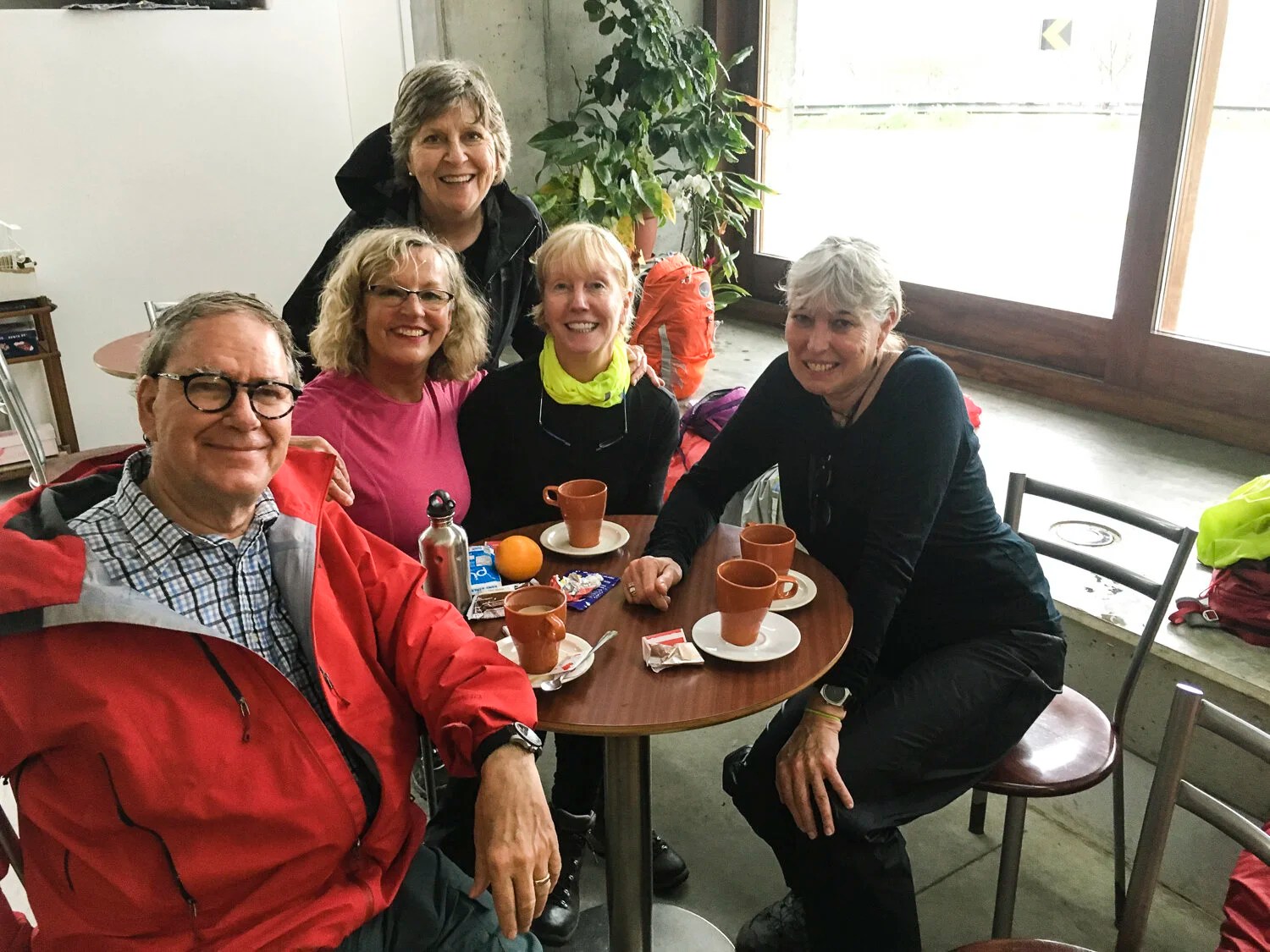
    Feelings indescribable, but a real high. Thrilled and proud of all of us, 3 of whom I had never met before or had had barely met but who were pulled together by the experience and shared some very intense moments. Hard to explain but I think anyone who’s spent an extended period of time with a small group who have shared physical difficulties and pushed themselves beyond the ordinary, will understand. Almost don’t want to put it into words.

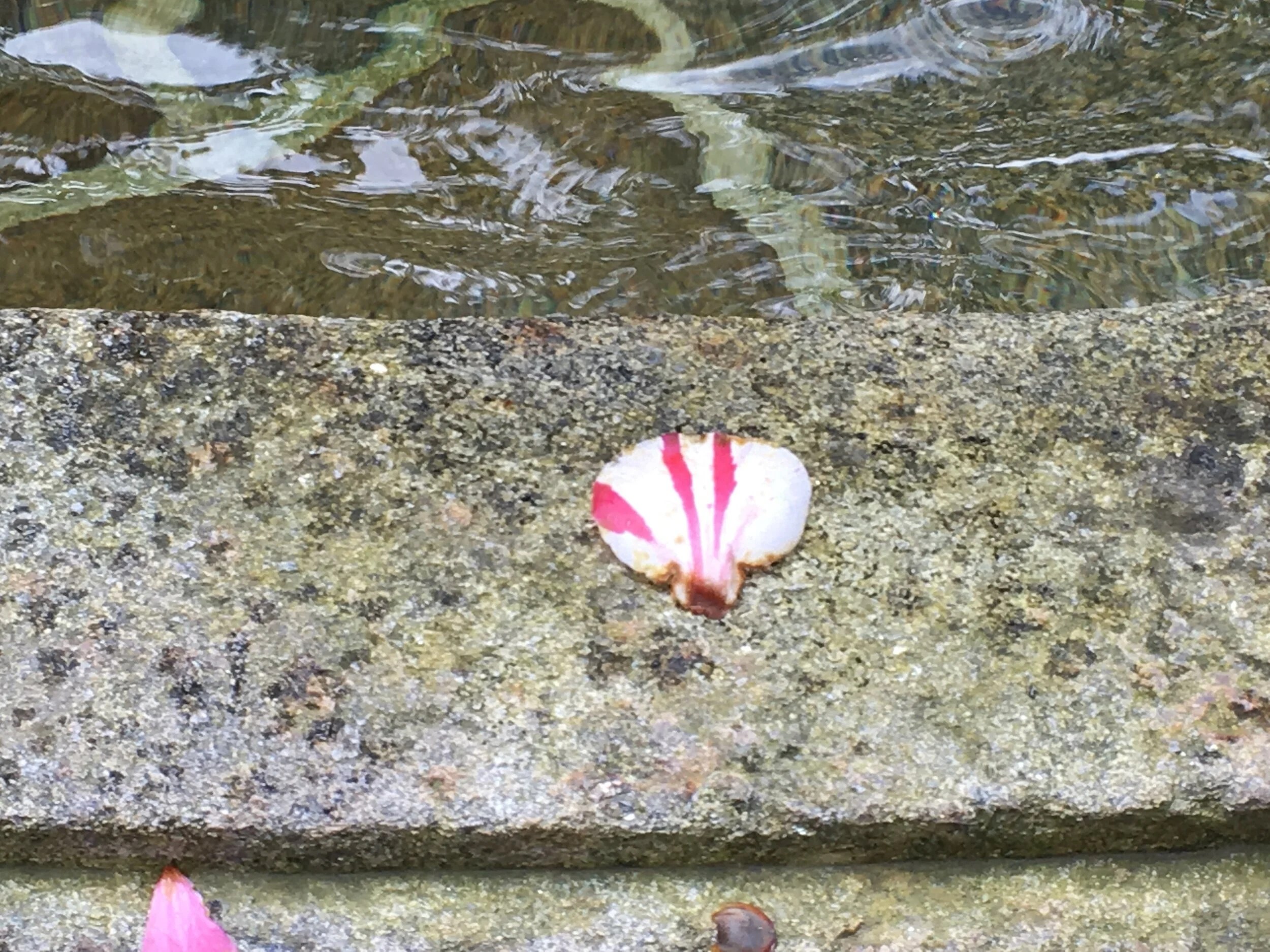
     Scallop shaped petal. Fountain of the Compostela office.
    Scallop shaped petal. Fountain of the Compostela office.

    We all went and picked up our Compostelas, the latin-worded document that attests to the fact that you have completed the Camino and it was a surprisingly emotional moment for many, lots of tears shed. While we were waiting in line for our Compostela passports to be looked at and our certificates issued I chatted with a very nice man, tall, good-looking, thin and athletic, mid/late 30’s who had walked from Pamplona to Santiago in 20 days. He showed me iPhone pictures of his walk across the Spanish countryside where they had had snow and ice storms for large parts of his walk, while we were getting rain. He stayed in Alburges and said that it was dreadful as they walked through snow all day and then at the end of the day the alburges were unheated. Very nice guy, born in Austria but now Brazilian; please no attempts at humour!

     Arrival!
    Arrival!

    When I reached the counter to get my Compostela he was at the wicket next to me and had no money to pay for his certificate, 3 euros. He had a credit card, which they would not accept, but no cash. I paid for him, not exactly a big deal. Our gang then went to a restaurant for lunch and a beer to celebrate, and who was sitting at the table next to ours but my AustrioBrazilian. Lots of chat and cheer and as he was leaving he had sent over to our table a bottle of wine as thanks. Cast your bread upon the waters…

    Pilgrim service in the Cathedral at 7:30 where they read out the numbers and nationalities of the pilgrims who had finished that day and was thrilled to hear Canada called out. Very moving.
    Back to my hotel for a bottle of champagne to celebrate and then to bed on a high that I have not felt for a very long time. Hope the crash tomorrow will not be too hard.

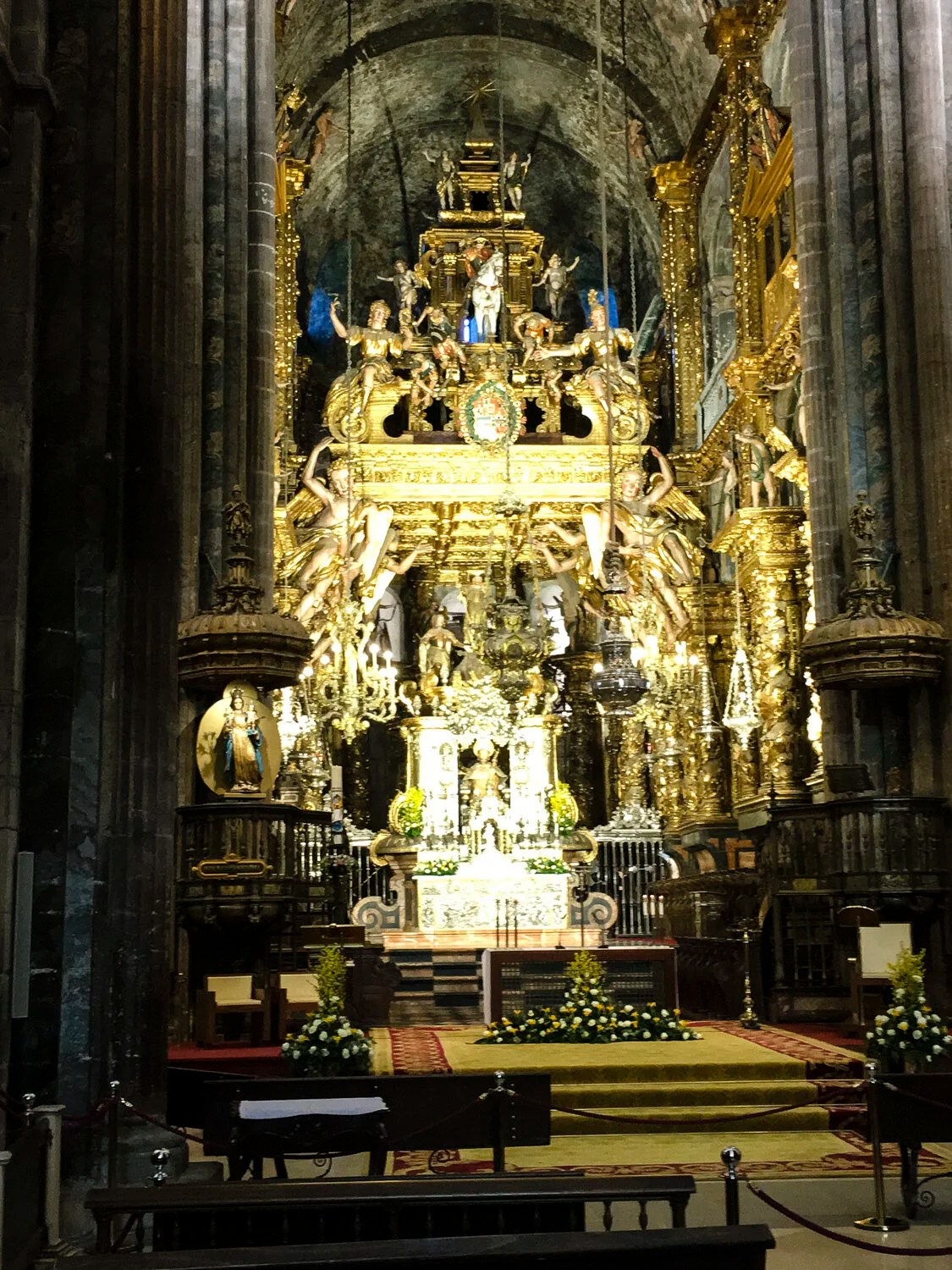
     Cathedral
    Cathedral
  • Camino – Days 10 & 11

    Great dinner on Friday night, Day 9, the best I’ve had since we entered Spain. Since the parador in Tui our hotels seem to be moving downmarket every night. We were in a 3 star after the parador and on Friday we were in a 2 star and on Saturday and Sunday nights we are in 1 stars. Nothing particularly negative about any of them, more about the size of the room and the quality of the food than anything else. However, our Friday hotel did not have a restaurant and had made arrangements with a local restaurant a couple of hundred metres away to feed us, since dinner is included in the room.

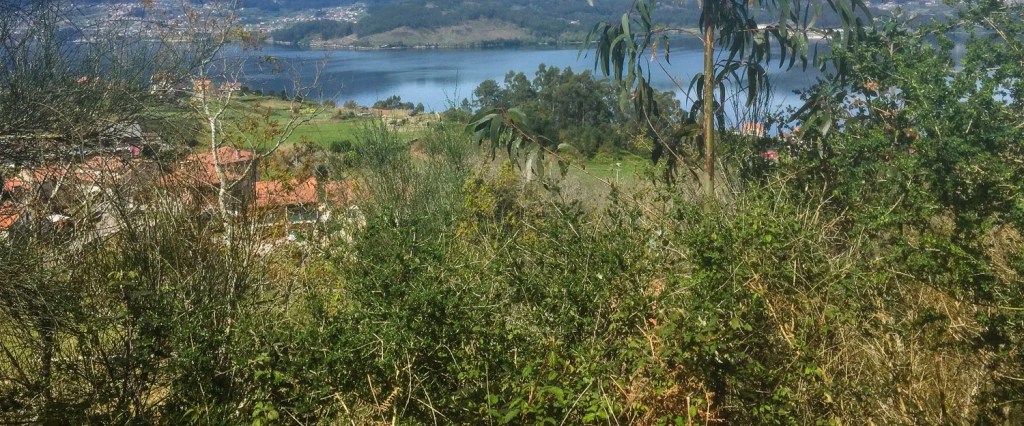
    Jut to refresh memories, on Friday our hotel was in a small town at the top of a long tidal bay, some 10 or 12K from the sea. Seafood was obviously the order of the day and we indicated to our waiter that we would not take the fixed hotel meal but order what we wanted and pay the difference. Like a couple of my fellow walkers I started with a dozen oysters, 10 euros a dozen, try and find that at home. They were freshly taken from the bay that we overlooked at dinner and were beyond good, sweet, briny and fat with none of the brassy undertones that you sometimes get with fat west coast oysters.

    I went on to an even more enjoyable and rare dish, certainly in our part of the world, a freshly-caught and pan-fried in butter, sole. Our little waiter, so cute that Elaine is planning to take him home, deboned it for me and it really was ambrosia. Very simply done, no other seasonings than the butter it had cooked in, with bits of crispy skin. The flesh of really fresh sole has a stickiness that fades quickly when it is kept around or stored and this sole was sweet and with a very nice sticky bite. A couple of bottles of very good rioja and as a great end to a great day, the restaurant brought us spanish brandy, on the house, to finish our meal. One of the more memorable evenings.

     Our two Newfoundland walkers, Evelyn and Elaine.
    Our two Newfoundland walkers, Evelyn and Elaine.

    Saturday morning, Day 10, as we started on our walk, only 12K, all of the previous 2 days sun and light were gone. We should have knocked it off without breathing hard, but maybe the effects of the previous night or the cumulative impact of many days walking or simply the lowering skies and flat gray light, but Saturday felt very hard. There were some pretty stiff climbs but not severe enough to explain everyone’s awareness of all their aches and pains. Yesterday’s 22K felt much easier than today’s 12.

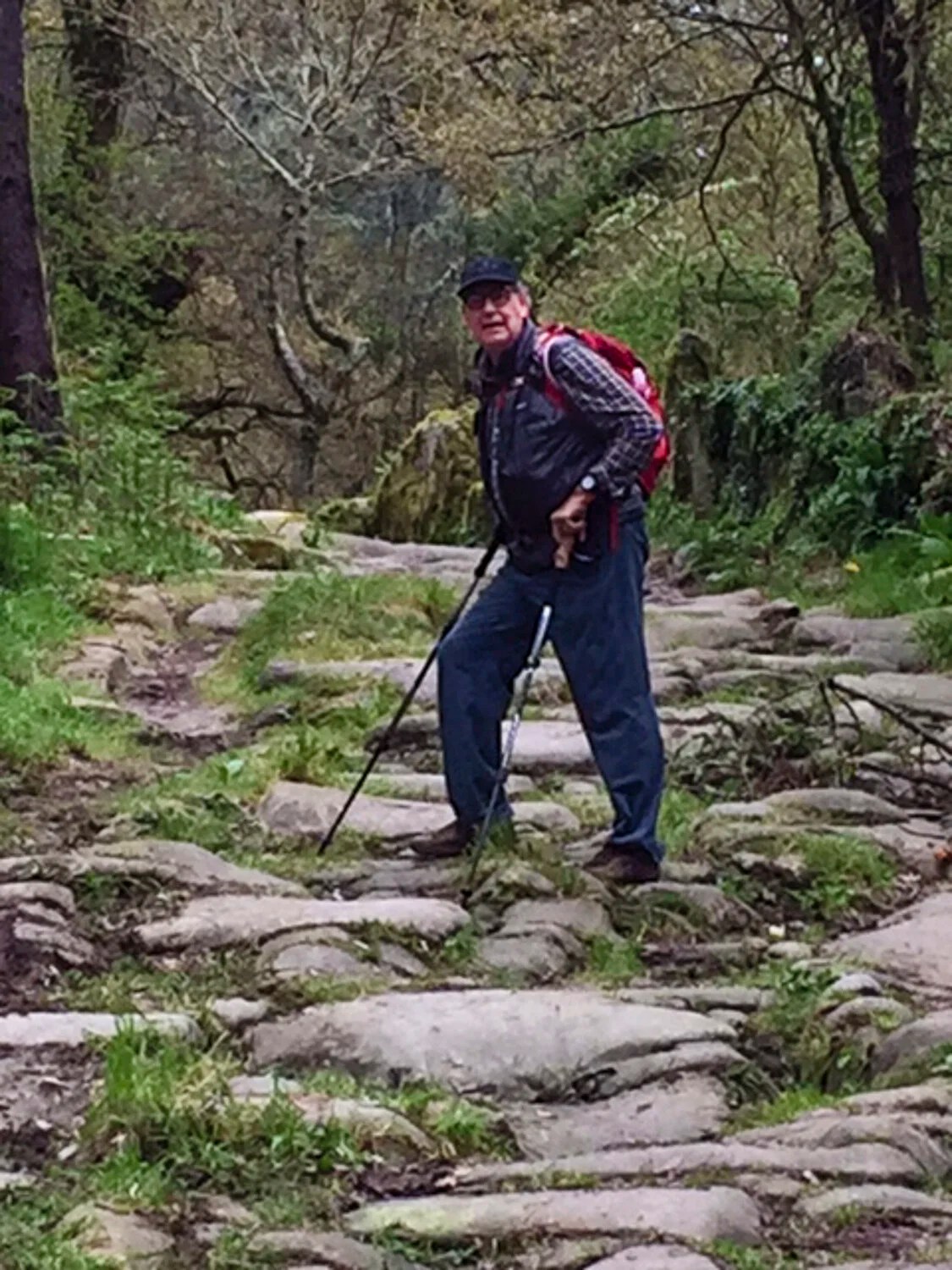
     Catching my breath on an uphill pitch
    Catching my breath on an uphill pitch

    I have had an earworm from the time we started and I just can’t get rid of it. At the start it made some kind of rational sense, my subconscious must have reached out and pulled it into my inner ear, so that in the back of my mind, as I walk, all I can hear is Karen Carpenter singing the refrain from “It’s Only Just Begun”. This was helpful I suppose, at the beginning of the Casmino, it does help keep things in perspective, but at the end of a 22K walk with only a couple of days to go? Really?….or am I missing something. This will definitely keep me up tonight.

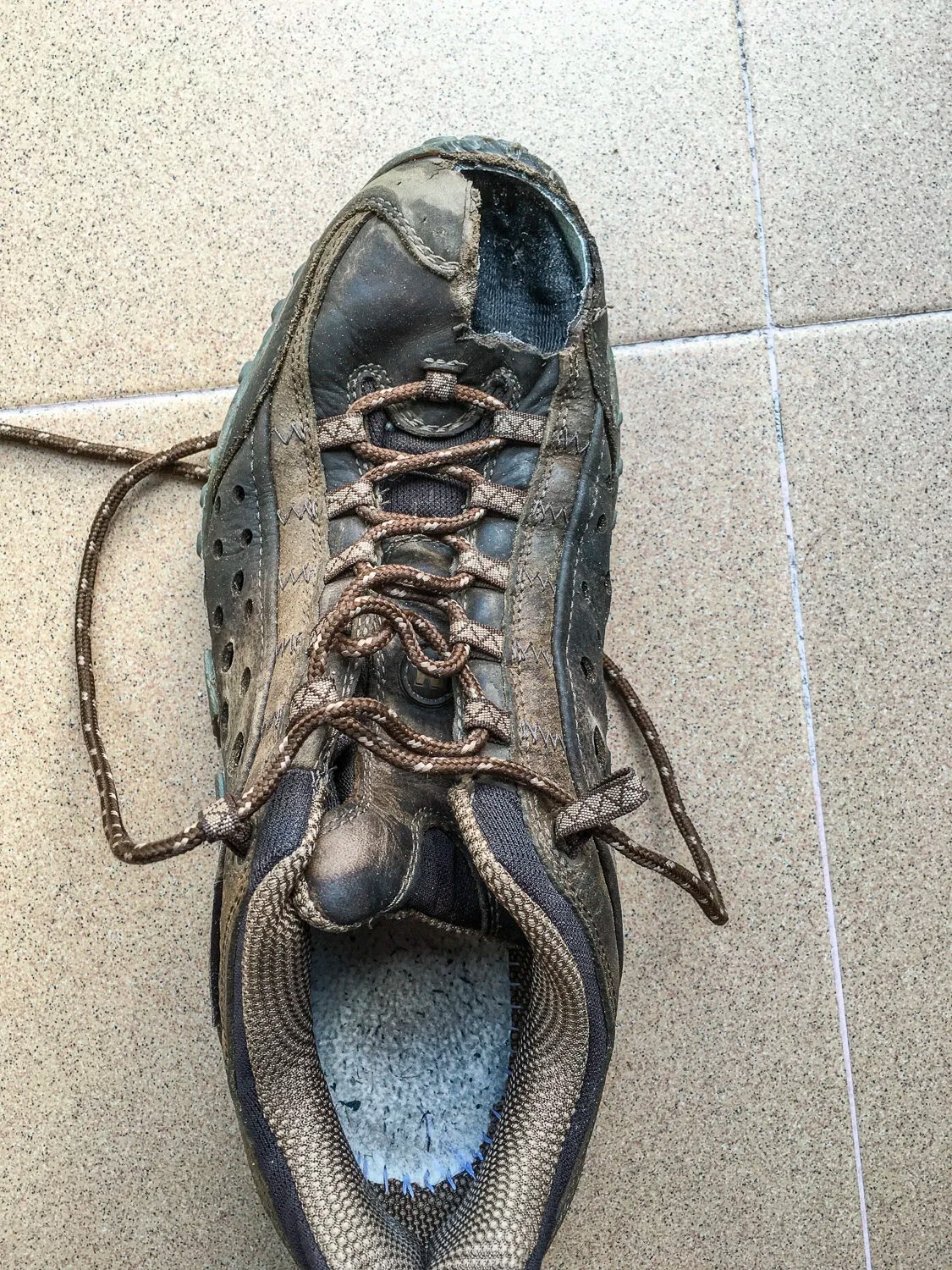
     The only shoe I can now wear on my left foot
    The only shoe I can now wear on my left foot

    Arrived at Saturday’s hotel just as the skies opened. Forecasted to keep up for another couple of days but I think when we arrive in Santiago on Tuesday the weather is supposed to be much better. A very good tapas lunch with my fellow walkers and a long dreary afternoon in a very small and damp room. Everyone else apparently slept the afternoon away but I’ve never been able to get into that habit..think I need to learn.
    Dinner, in the hotel restaurant, was pretty grim and whose only noticeable feature was the very loud background noise of the television from the bar downstairs punctuated periodically by groans and screams as things happened. A local regional team was playing a rival and the whole town was caught up. So caught in fact, that the whole night was periodically enlivened by groups of very drunk young men and women leaving their bars and singing and yelling at the tops of their lungs, on their way home through the streets and under our windows. We had 24K to cover today and as we set out for an early start at 7:30 another madly drunk and noisy group passed us as we left.

    On Sunday morning, as we left,  we were met by two occurances, the aforementioned revelers and the skies opening up. Clearly it had not rained during the night, I don’t think even the energy of the early hours balladeers would have survived that, but it waited until we left the doors of the hotel. And rain it did, but fortunately most of today’s route was relatively rolling with no long climbs. I have now figured out my walking style, if that’s the right word, the way my body works best on the walks. I’m tail-end Charlie for the first hour or so and the rest of the group can easily get 4 or 500 metres ahead. It really does take me an hour to walk through the pulls and pains and get my rhythm easy and comfortable. We can generally find a cafe at the hour/hour and a half mark for a 10 minute break for a coffee and a rest and whenwe resume I’m feeling very relaxed and easy. For the next two hours or so, after covering 14 or 15K it really is a pleasure to walk. At about the 4 hour mark I really begin to get a dead feeling in my legs and for the last hour or two I really have to dig down, particularly for the last 4 or 5K. My gang usually stops about 5, 6, or 7K from the end, depending on cafe locations, but I do not. I know that at that point if I stop it will be hard to get back in gear and I’d rather just keep pushing. So today, I’m thrilled to say, I arrived at our hotel at 12:30, exactly 5 hours after we started and covered 24K. I know I couldn’t have done that a week ago.

     Hailstorm beginning....
    Hailstorm beginning….

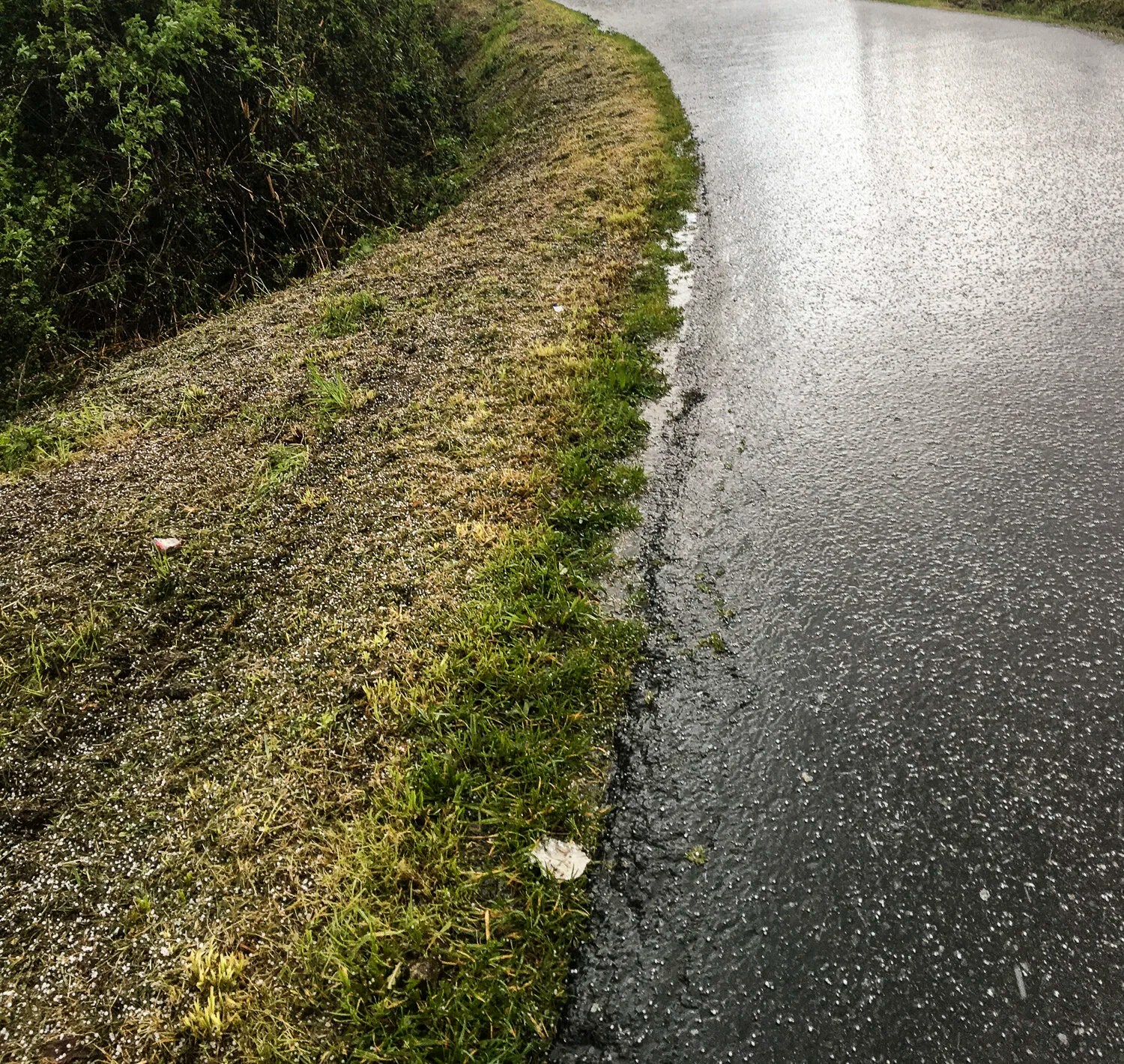
    About halfway through our walk, we hit with a sudden intense hailstorm and pellets poured from the sky, no shelter available so just kept walking. After the hail, the clouds blew away and the last half of the walk was in beautiful spring sunshine. Hope it lasts.

     ....and ending.
    ….and ending.
  • Camino – Day 9

    Fabulous day today! 22K and I could have kept walking. Cutting out the front of my left hiking shoe has made all the difference in the world and for the first time since I started walking however many days ago, I could actually just walk with a natural step and simply enjoy the day, the walk, the countryside. Unimaginably good; I had forgotten what a normal gait felt like and I think I hit a walker’s high.

    We were off at 7:30 in the dark and very cold morning. Sun finally came over the horizon at about 9 but we had already put 7.5K behind us and were glad to feel a little of the chill begin to slide out of the day. Another beautiful, sparkling, sun-filled day, not a great deal of warmth in the sun but a beautiful light over the countryside. For the first couple of hours of the walk I could feel a number of muscles pull and twinge with some aches and pains but I have have been walking for the last week to protect my left foot and my lopsided gait has put pressure on muscles in my back and upper legs that aren’t normally called on to be used this way. With a more normal step everything was trying to realign; I knew it was just a matter of walking it off and muscles and tendons would settled back into their normal, routine, painless gait, which of course is what happened and my aches and pains fled with the last of the night.

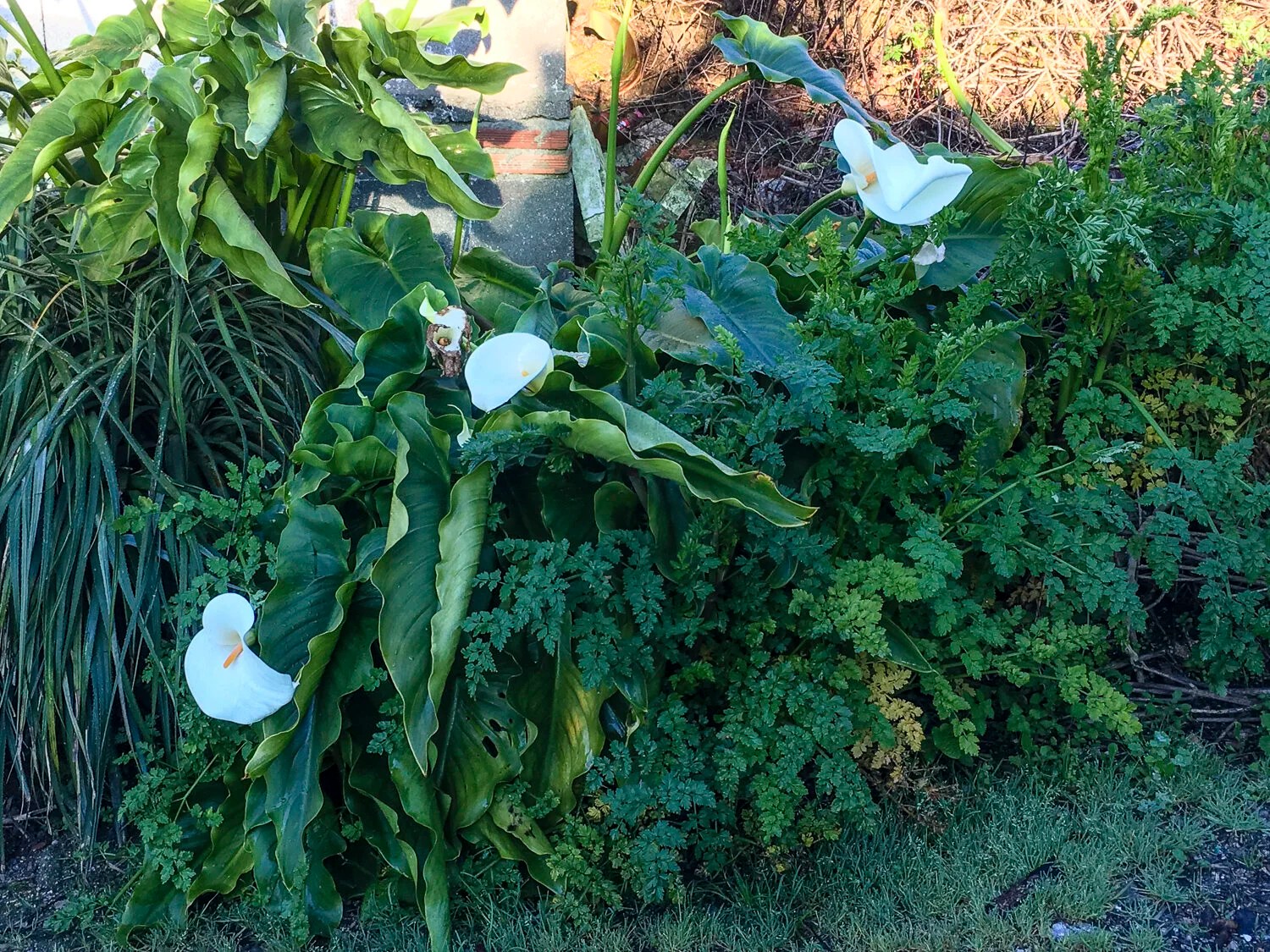
     Wild calla lilies, everywhere
    Wild calla lilies, everywhere

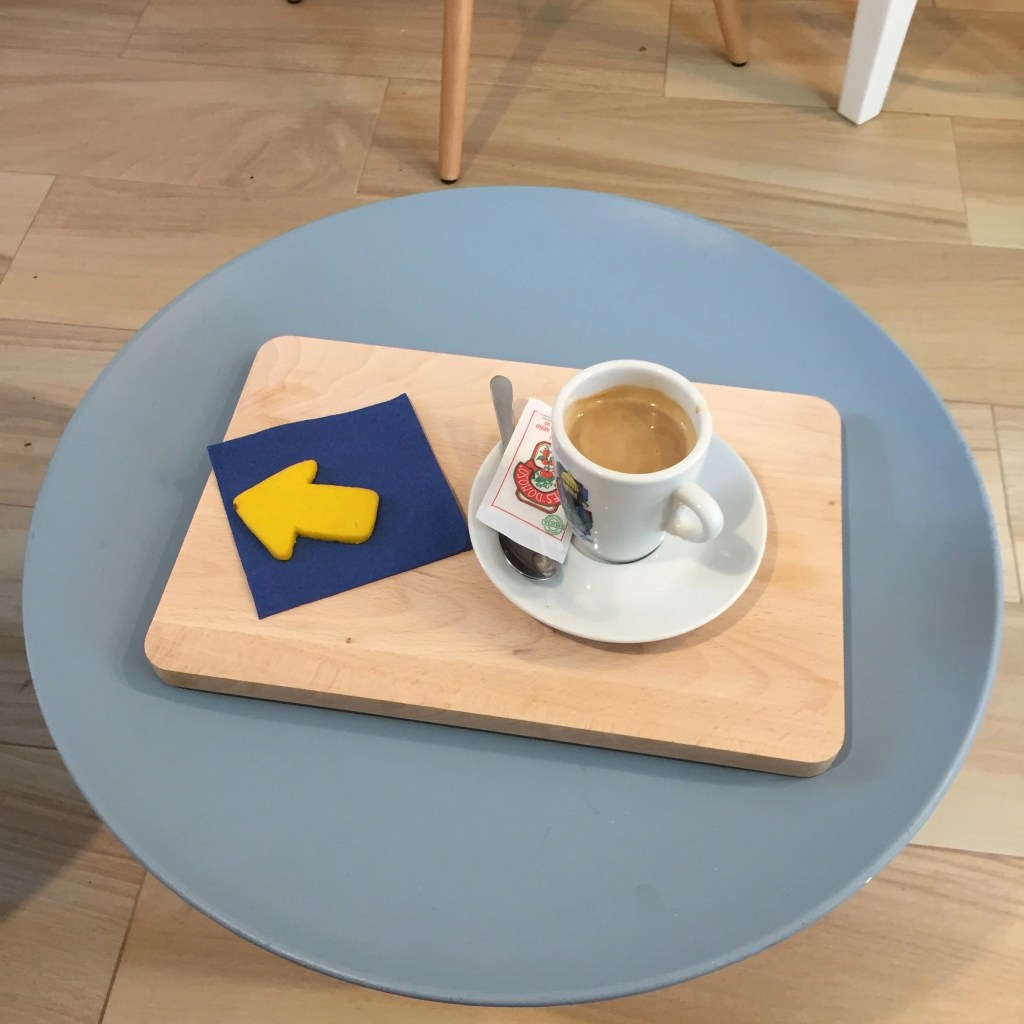
    To continue with my thoughts of yesterday exploring the differences between Portugal and Spain, the one that was most immediately apparent to us was felt when we left well before sunrise. In Portugal the yellow arrows marking the trail are clear and painted in locations that are easily seen and they are very frequent, whereas in Spain they are far less numerous, not so noticeable and just feel much more hastily and thoughtlessly placed. We were really stumped in the dark this morning trying to find our way and walked up the exit ramp of a major expressway because of the ambiguous placement of an arrow before we realized how wrong we were and how dangerous our position was. At other points of the day we were like hunting dogs casting around for a scent of our quarry while we tried to find a sign.

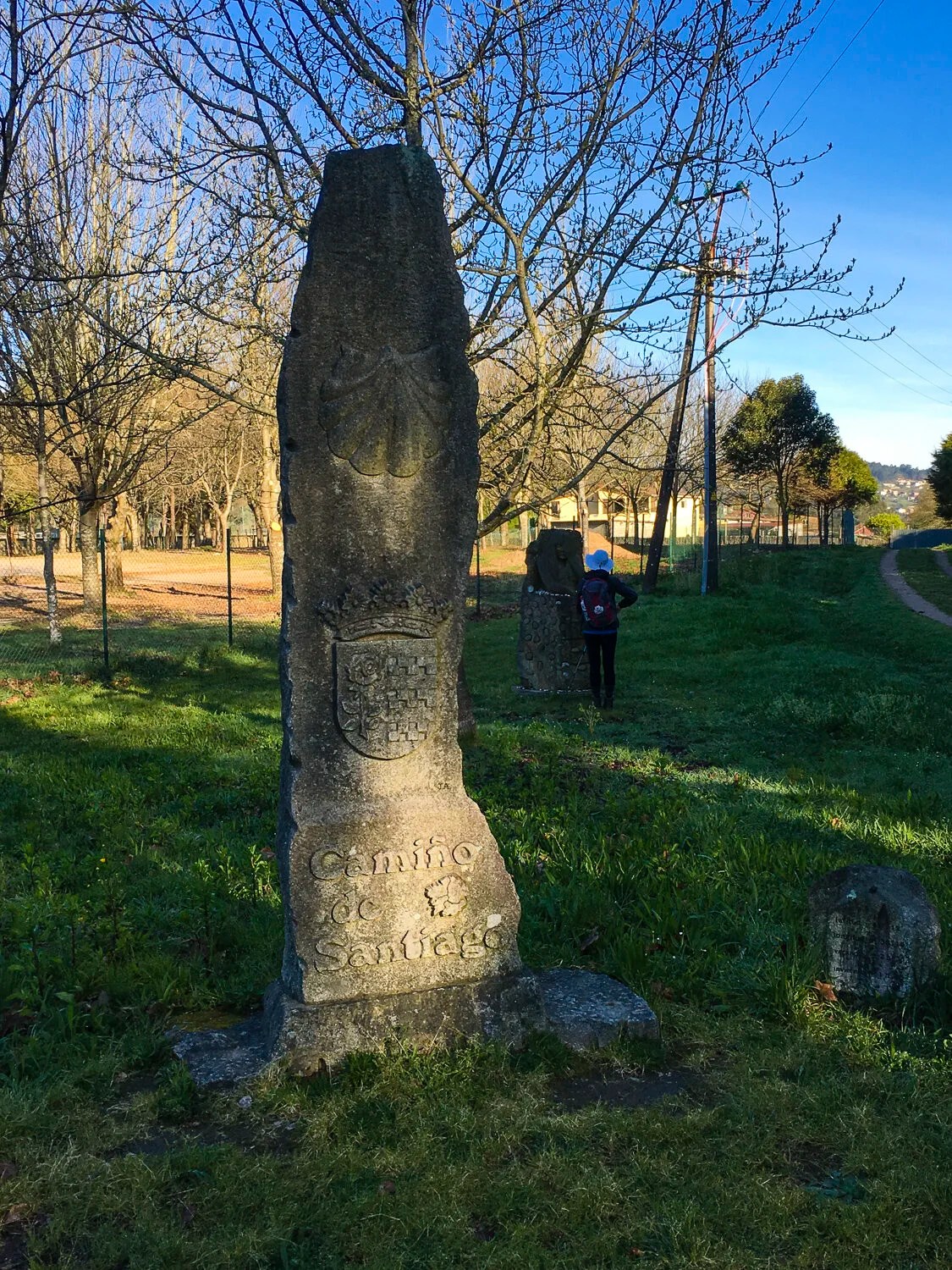
     Old Camino way marker
    Old Camino way marker

    Having cast aspersions on the organization and maintenance of the Spanish camino, one huge thing in Spain’s favour is the use of asphalt as a road-building material. As I have talked about a number of times, the cobblestones of which every single Portuguese road is made are uncomfortable and treacherous in the extreme, especially when wet. In Spain they are rarely if ever seen and all the roads and lanes that we have encountered are paved with asphalt. Particularly on climbs and descents, and we had two sets of hills to climb up and descend from in the course of today’s walk, asphalt, while not necessarily comfortable to walk on is still infinitely preferable to cobblestones.

     Apple tree in bloom along the way
    Apple tree in bloom along the way

    An additional and puzzling difference between the two countries, or at least the two region’s that we have crossed is the number in Portugal and the absolute scarcity in Spain of orange and lemon trees. It seemed as if every house in Portugal with enough room in their yard had an orange and/or a lemon tree growing and simply covered with ripe fruit. In fact it was sad to see so many fruit lying on the ground and rotting under the trees. In Spain so far at least, the number of trees of either fruit that we have seen in the last two days could be counted on the fingers of two hands. The climate is the same, the topography is the same and yet masses of fruit in Portugal and virtually none in Spain. I’d love to know why.

  • Camino – Day 8

    Thursday morning and a fairly short run today, 16K. Sorry to leave our parador but we were waiting for the restaurant to open at 8 and were on the road by 8:30.

    Have been keeping an eye open to see if I notice many significant differences between Portugal and Spain as we walk through both countries especially since one of the most rewarding things about walking is that you do have time to notice. . Have picked up a number of things; I know this may be treading on dangerous ground but I’m not ascribing national characteristics to my observations, simply noting what I see.

    The most immediate impression is a noticeable sense of shabbiness in Spain as compared to Portugal. Wherever we walked in Portugal everyone seemed to take care of the appearance of their homes and fields, a very evident sense of being “house proud” while it is not nearly as evident so far in Spain. In fact we were struck by this as we crossed the bridge from Portugal and crossed into Spain, the Portuguese border town was clean, bright and well-taken care of and Tui, while historical and interesting was distinctly shabby and tacky.

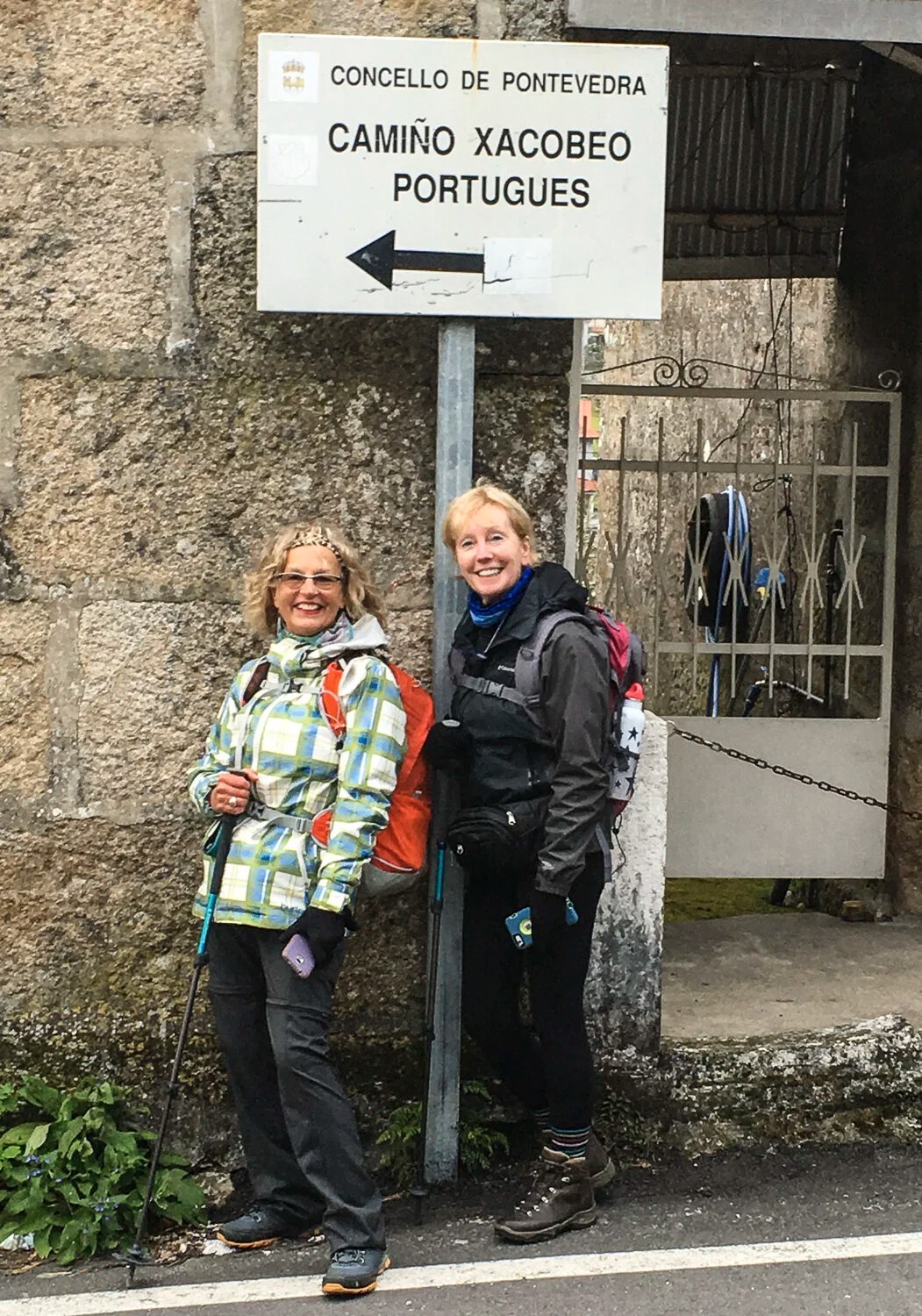
     Leaving Tui
    Leaving Tui

    Expanding on that for a minute, not only were Portuguese country houses well-kept, there were continuing examples of creative and modern architecture and significant numbers of really interesting buildings, most of which shared two characteristics. The first was that most seemed to have been designed within the last 20 or 30 years and many much more recently than that and secondly, the largest percentage of them were shuttered and locked. Bearing in mind that this was Easter week and schools and many businesses were closed for the holiday and since they were country homes you would have expected that many of them would have been occupied for the holiday. We asked our hosts about this at a couple of the hotels where we stayed and the answer we were given was always the same. The owners all work in Germany, the US, Canada etc and use them for a couple of weeks in the summer and then they are closed for the rest of the year. The owners’ expectation is that they will return to Portugal someday and their home will be waiting for the. We were told that there are 10 million Portuguese living in Portugal and 5 million living abroad and the expat professionals all expect to return, meanwhile the family looks after the homes and the expats send money into the country. Certainly another very noticeable difference between the two countries was the prevalence of Audis, BMW’s and Mercedes in Portugal and the absence so far in Spain.

     Beautiful day!
    Beautiful day!

    One difference that affects me directly is that in the two hotels where we have stayed in Spain, one a parador and tonight a pretty basic 3 star in a small town, only turn on their heat at 7 for two hours and at 6 am for two hours. If you’re trying to dry your laundry, this not a good thing! I’m carrying around wet clothes and hoping that at some point I’ll be able to dry them. In Portugal, in all the places we stayed, we could control our radiators and I could manage my laundry!

    Even though it was only 16K today I really struggled with my busted toe and really began to wonder if I could finish. My hiking shoes are nice and light but they are the cause of the problem; my left foot is slightly larger than my right and all of the cobbles and downhills are jamming my toes into the front of my left shoe. I cut a large piece out of the front of my shoe when I got to the hotel today and I hope that this will get me through tomorrow. I think tomorrow night’s town is larger and I’m hope that there is a sport shop where I can find a better pair of shoes.

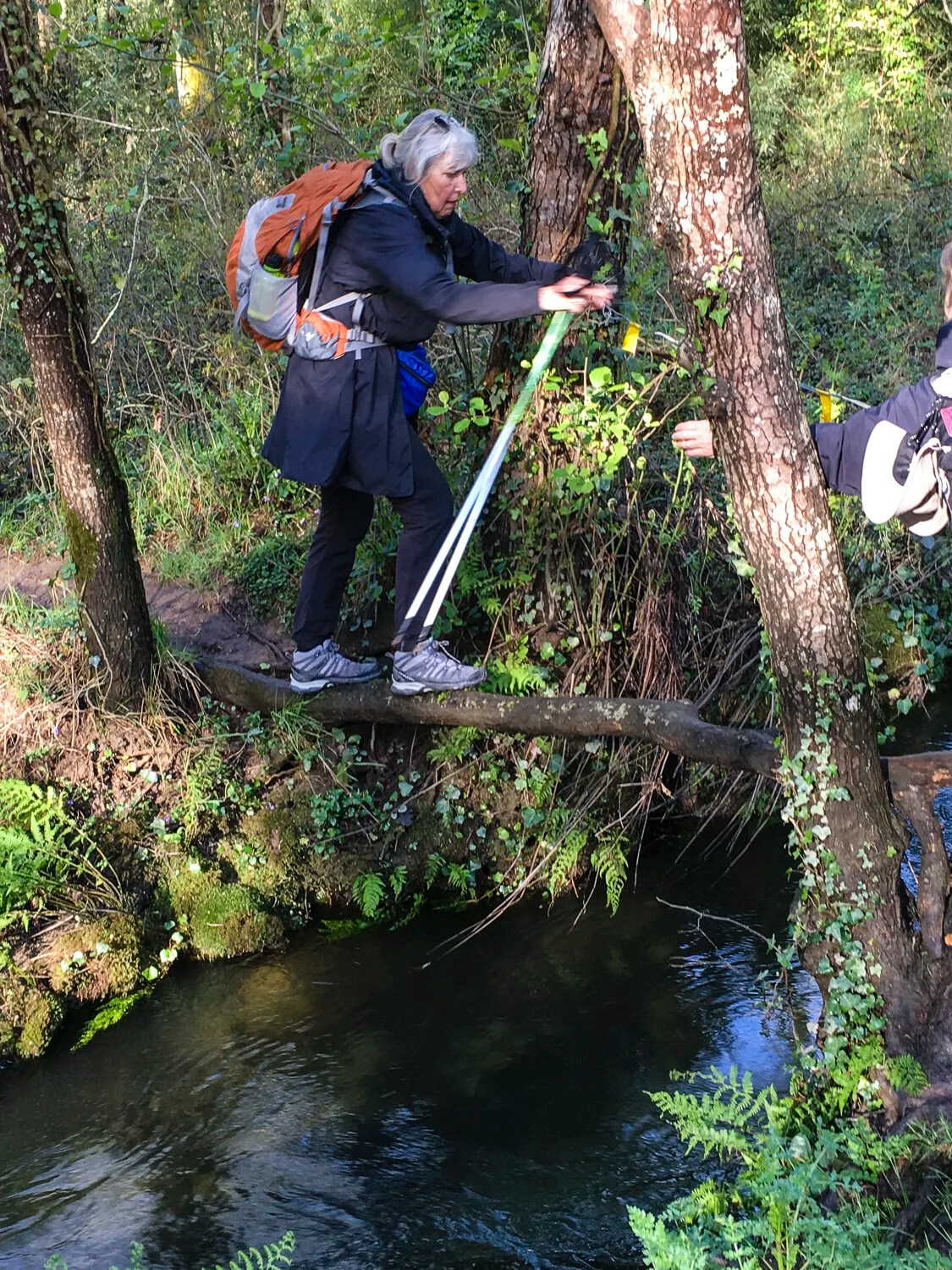
     The only way across
    The only way across

    The day was brilliantly sunny for the first time in days and large sections of our walk were through forests and fields; should have been a really pleasant day but my toe insisted in inserting itself into my day. Better hopes for tomorrow.

  • Camino Days – 6 & 7

    Yesterday, Tuesday, we started a little later than we would have liked but the host at our lodging was persistent in his attentions, barely left us alone and talked continually about himself. He determined that our day’s walk was not very long and so he wanted to sleep and serve breakfast at 9. After some clearly articulated resistance he relented and he, or rather his long-suffering wife, served us breakfast at 8:30 while he continued to regale us as we ate.

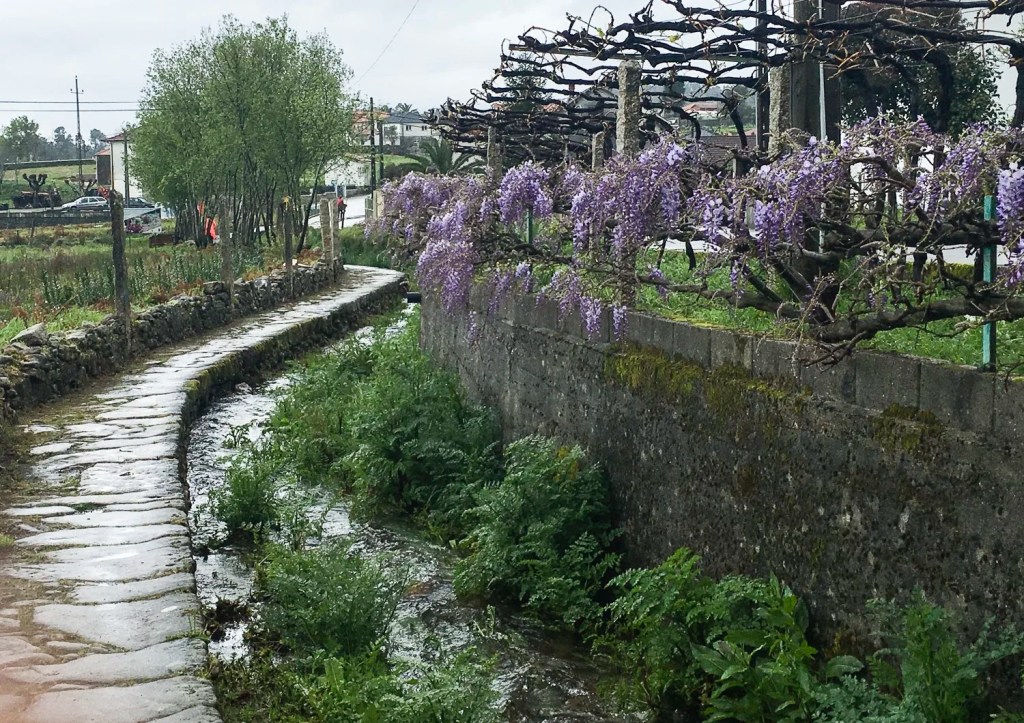
    We finally started out about 9:15 in the rain, which while not as intense as on the previous day, continued with brief intermittent breaks for most of the day. Our terrain was easier today, not much in the way of climbs, but the trade-off was that while we did not have mountain torrents in our path, we instead had ponds and lakes. The paths are worn down and most are 6 inches to a foot below surface level and of course fill with water. They generally run alongside farmers’ fields and so one side is a wall or fence and the other side is rough treed ground with little or no verge. You are perforce constrained to use the path and must slog through water and black mud.  

     First coffee stop of the day, about 4K in to the walk.
    First coffee stop of the day, about 4K in to the walk.

    My traveling companions are also managing through their own knocks and bumps. Di has taken two falls, one on Easter Day and one today but fortunately not on the day of our climb and she is bandaged and scraped. The others each have their bumps, scrapes and sore feet but everyone watches out for each other and helps when needed. We arrived at our hotel at about 4:30 after what seemed a very long day, and as it turned out with good reason. The walk while listed at 18K on our documents turned out in fact to be 25K by GPS tracking. We had had do do some back-tracking and our last night’s hotel was a couple of K off the Camino trail so 7K longer than we had planned and we felt every extra metre of it when we finally arrived.

    Tonight and Wednesday are being spent at a parador in Tui, Spain, resting our feet and gearing up for our final 7 day walk to Santiago. After some of our accommodations the parador is the lap of luxury with a restaurant and bar, a comfortable lounge and coupled with free day for R&R I’m planning to drop anchor in the lounge, put my feet up and spend the day reading.

    Wednesday morning – It goes without saying that today, a non-walking day, the sun is shining and the landscape sparkles after the rain.  I refuse to look at tomorrow’s forecast, if I don’t pay any attention maybe the good weather will continue un-noticed.

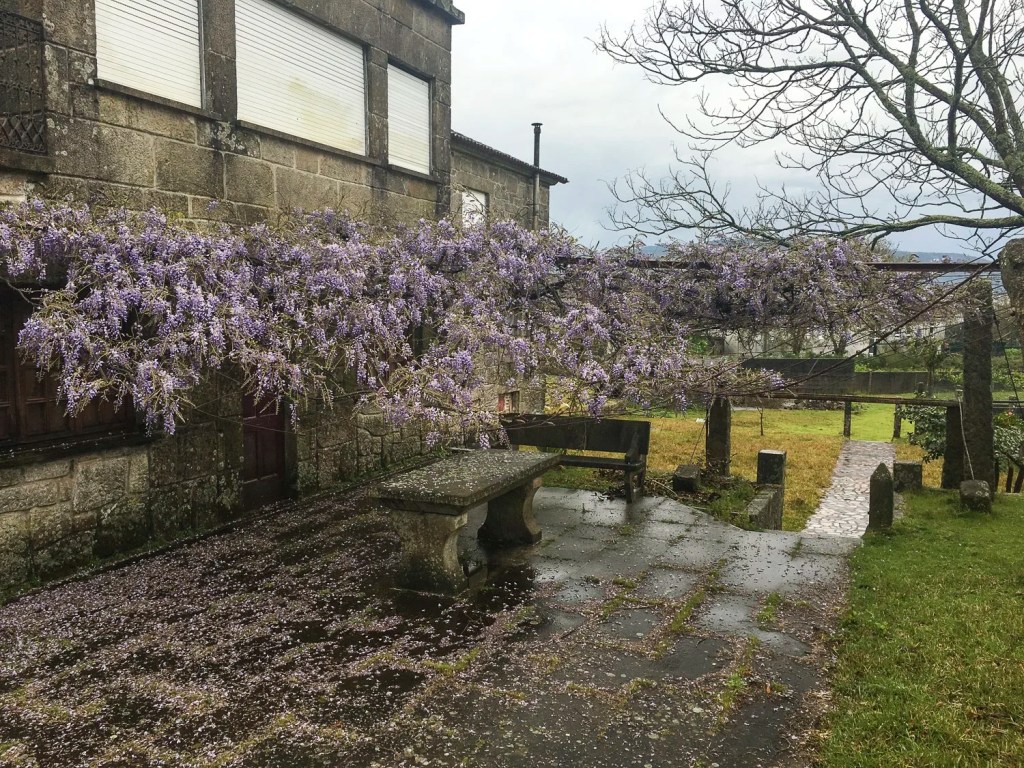
     Yet more wisteria, doorway in Tui
    Yet more wisteria, doorway in Tui

    Just returned from lunch in the parador restaurant and once again reminded of the fact that some of the most interesting experiences that travel provides are culinary. I had a hamburgesa and the menu suggested that it was served with the juice of red fruits; I imagined that this was a creative translation of ketchup. When it came it was a thick, freshly made patty of what I think was a mixture of pork and beef, laced with herbs and savoury green bits and just cooked enough to change the colour to that fine tone just between very light pink and very light brown, in other words perfectly cooked. It was covered by a thin layer of melted local cheese and was served on a long diagonal slice of toasted baguette, but the most interesting addition was a thick layer of blackcurrent jam on which it sat. Sounds very quirky, but the sweet pork mixed with savoury herbs and tangy jam and cheese, took it to new heights. One of the best things I’ve had in a while!

      We have had a couple of really great dishes in the various places where we have stayed. Elaine, one of our walking companions, requested the desert recipe from our hostess at our first night’s lodging and here it is in Elaine’s words…

    Surely this recipe has to be one of the best desserts we will enjoy on this pilgrimage. Teresa Pamplona, our patroness at Quita das Alfaias, served us a superb birthday meal for fellow pilgrim – Gerry. We had baccalau casserole- salt cod with potato and olive, followed up by the lightest of desserts. It seemed to be a cross between creme caramel and bread pudding – yes!!!

    Preheat oven to 450 F – 230C
    Here are the ingredients:

    10 eggs
    Half litre orange juice – fresh is really the secret
    Zest of 1 and 1/2 oranges
    1 t flour (that’s right, 1 teaspoon)
    10 T sugar
    Beat with a whisk or egg beater. Line a rectangular pan with underside and overside greased parchment and bake for 20/25 minutes – until it no longer shakes and is brown on top. Do not overcook.
    Take from the oven and invert onto sugar (Demerara) covered parchment paper (we think you should add a little more orange zest to the sugar); roll it up like a jelly roll in the sugar.
    Serve at room temperature.